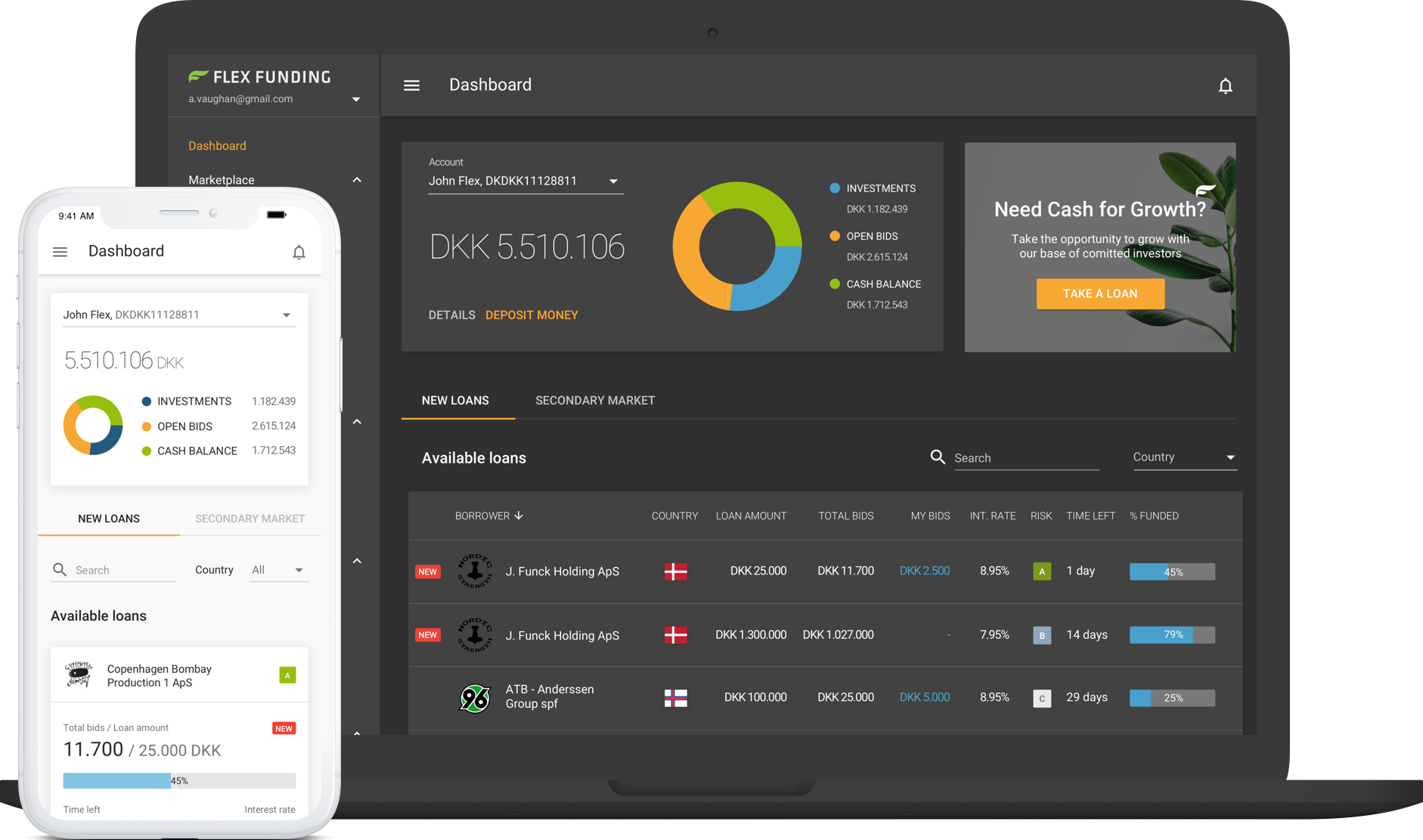
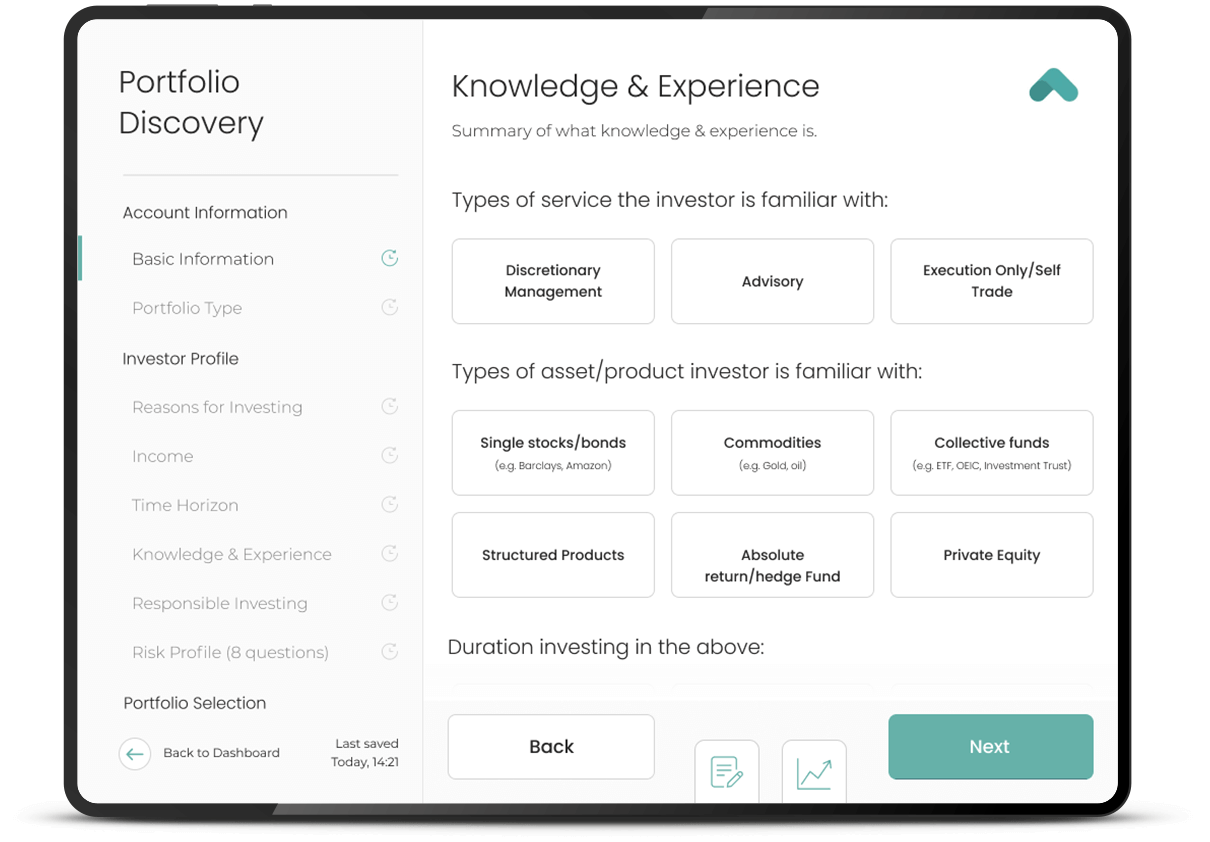
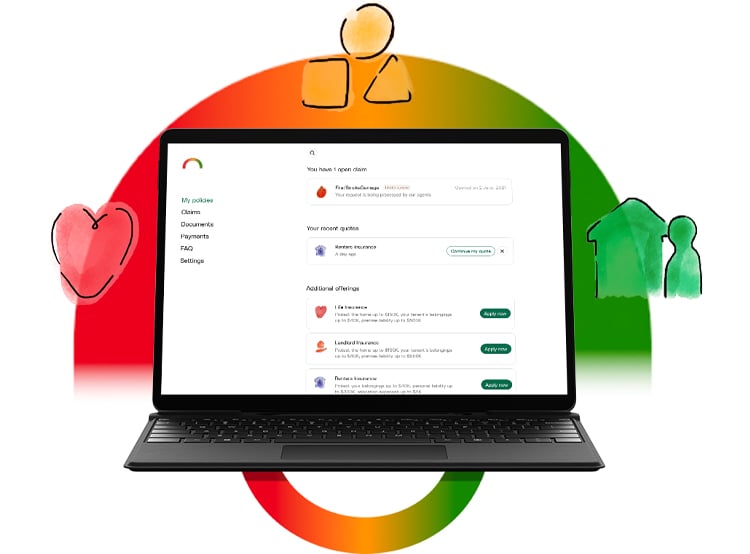
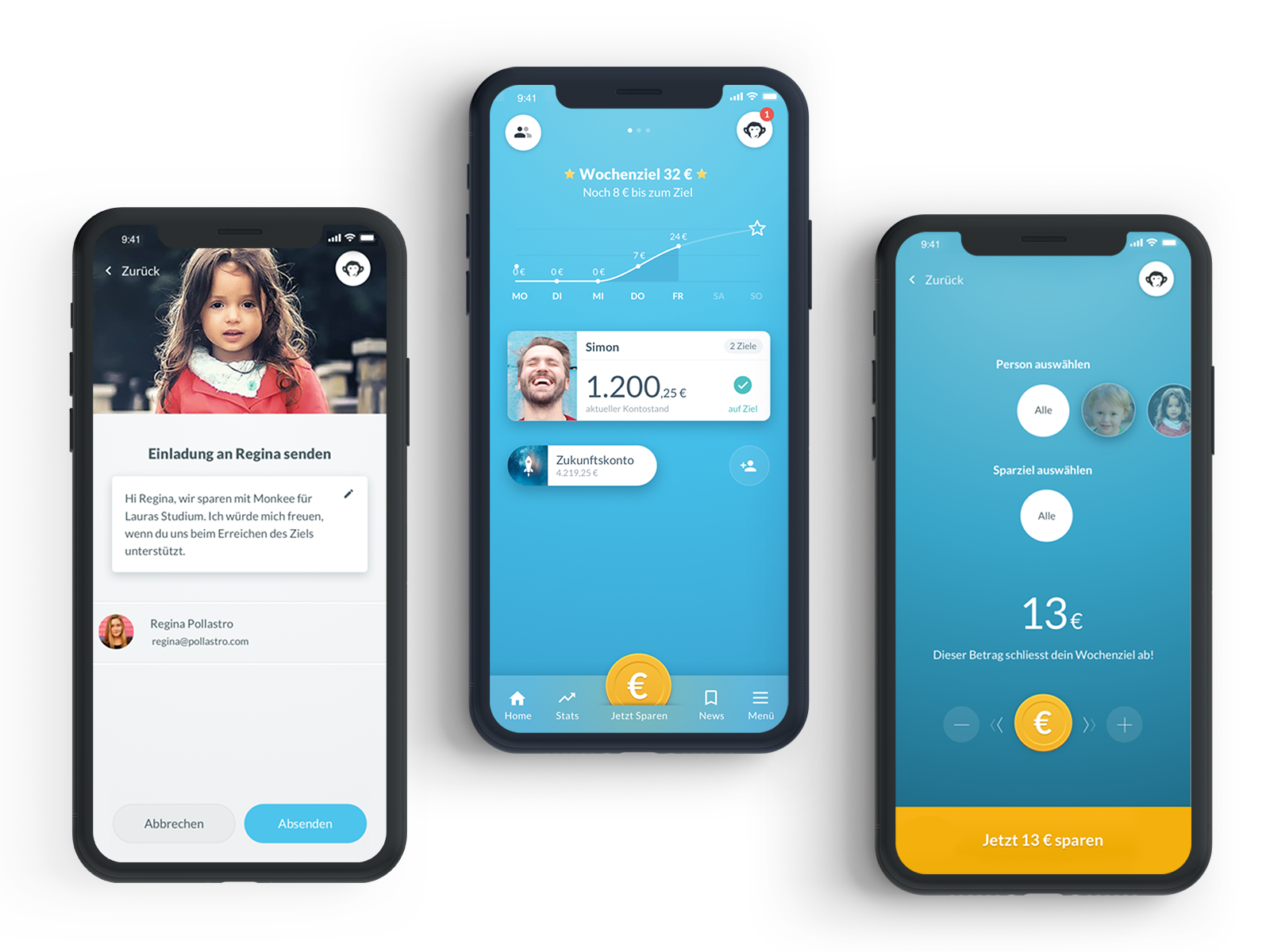
TypeDB by Vaticle (a London-based company) offers database solutions to empower engineers looking to solve complex challenges. TypeDB is an app with a logical type system that help organizations in various industries, including FinTech and HealthTech.
Companies and NGOs in financial services, life sciences, defense & security, and even robotics can build intelligent systems to tacle obstacles. Among them are drug discovery processes, financial analytics, cyber threat detection, robotic systems disaster recovery, and more.
Our Role in the Project
The Client came to us with a set of technological challenges. Vaticle wanted to enhance the application to meet modern standards. The amount of piling up challenges was too much for the internal development team. Code & Pepper helped through team extension services.
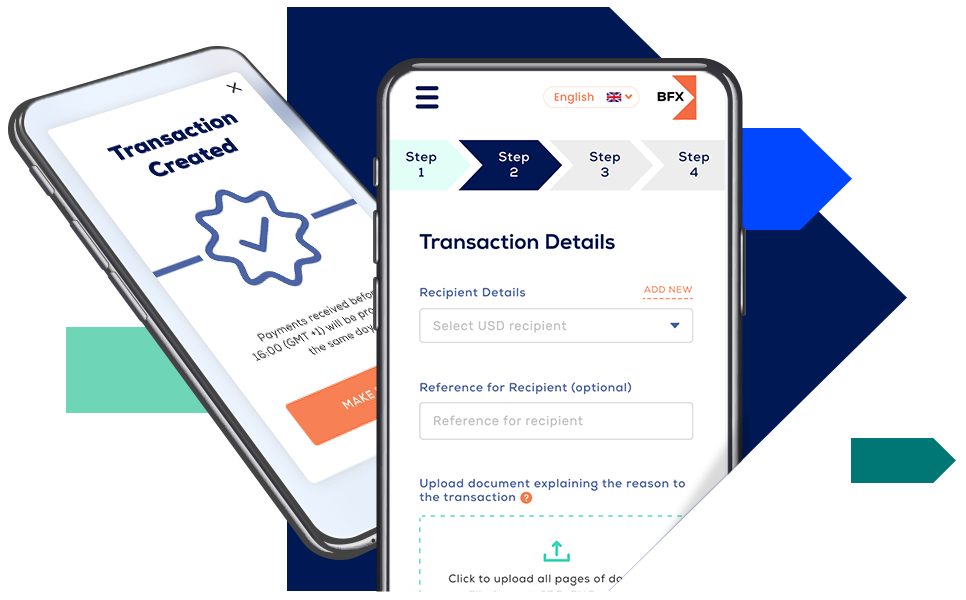
First of all, we were hired to correct the display of the application on mobile devices. We had to make sure the app’s view followed the initial UX/UI design, and was in-line with users’ expectations.
Secondly, tailor the display for tablets, which wasn’t responsive enough and was lacking technical savviness.
Thirdly, we had to rewrite the app to make it compatible with the modern set of programming languages, frameworks, libraries, etc. We are talking about Angular Material, for example.
Lastly, we have ironed out continue delivery (CI) process used by Vaticle. Thanks to our work, maintaining ongoing code quality and software development processes are easier.
Besides tech-stack mentioned below, we have also used Scully for static site generation, Antora for automatic documentation generation, and Sanity for headless CMS creation.
The whole scope of the project was realized across six months.
Main challenges
Scaling the app to be consistent with newest libraries and future-proof for their upcoming versions is no easy task. We had to style all libraries, write custom features to support inner tech-stack contracts, and make sure all worked together seamlessly to support growing application.
Scope-specific Development Services for TypeDB
We have used multiple Development Services. Among them are:
Our thorough selection process evaluates over 70 specific tech skills to identify the finest talent. By hiring the top 1.6% of tech experts, we ensure unparalleled development services that propel our clients to new heights.
In his second lesson of the book “21 Lessons for the 21st Century,” renowned historian Noah Harari delves into the concept of human-AI centaur teams, a mode of collaboration that heralds unparalleled results. Borrowed from the mythological creature – part human, part horse – this analogy brilliantly encapsulates how humans and AI can symbiotically enhance each other’s capabilities. In the realm of software development, the idea has far-reaching implications.
Technical Skills: Essential Expertise of Our React.js Developers
Our React.js developers are held to rigorous expectations, with their proficiency assessed in 18 technical domains spanning 4 categories. This guarantees that each team member fulfills our specific technical requirements. Explore the comprehensive roster of skills and validation methods further down.
Category #1:
Tech & Coding
Within this category, we evaluate essential abilities that significantly impact the caliber and productivity of software creation. Confirming expertise in these aspects ensures our developers can construct sturdy, easily maintained solutions while seamlessly cooperating with colleagues.
The engineer with these competencies:
Frameworks & Libraries
Has knowledge of popular frameworks and libraries (e.g. React, Angular, Next.js), their features, and optimal use cases
Is aware of new solutions introduced in the world of their chosen tool
Knows state management libraries and understands when and which library to use depending on the business requirements of the solution
TypeScript Knowledge
Has a good understanding of TypeScript (e.g., knows and can use advanced typing)
Can explain the relationship between TypeScript and JavaScript
Can skillfully use existing types and create new advanced types for the solution
Design Patterns
Consciously uses established practices and patterns
Chooses solutions that ensure ease of maintenance for their written code
High-Quality Code
Produces code that is reliable, easy to maintain, reusable, and can be used across different platforms; writes tests that cover various test cases and are independent
Knows and applies metrics that demonstrate the good quality of their written code
Automated Tests
Can write automated tests (unit, integration, end-to-end)
Can explain the role of different types of tests in the entire testing pyramid
Can (in collaboration with other developers and testers) make and justify decisions about the scope of test automation in various contexts (business, technical, human)
Git Knowledge
Is proficient with the Git version control system
Knows various Git workflows and can suggest the selection of one depending on the context (business, technical, human)
Can implement the chosen workflow in a project
API Knowledge
Understands the purpose, functionality, and usage of REST APIs
Knows and can explain the differences between REST and GraphQL APIs, as well as the factors that determine which type of API is a better solution in a given case
Category #2:
Problem Solving
Evaluating this category confirms that our developers can devise customized, efficient resolutions and address intricate obstacles. This validation certifies their ability to adapt to evolving technologies and produce high-performing applications in harmony with business goals.
The engineer with these competencies:
Performance-Focused Solutions
Knows and applies concepts related to ensuring front-end performance (e.g., network communication, data loading time, resource management, user interactions, layout, animations)
Cares about conversion rates, considering application responsiveness on web and mobile platforms
Knows and uses tools to improve front-end performance, such as Lighthouse and Google Chrome Tools
Adequate Solutions
Proposes a solution adequate for current business and technical needs
Is not limited to one type of solution/architecture/tool (maintains a healthy distance from specific approaches or tools) and knows when to apply an existing solution or create a custom one
Identifies the advantages and disadvantages of various solutions/approaches in different contexts (business, technical, human)
Can explain the impact and role of non-functional requirements in selecting an appropriate solution
Technical Problem-Solving
Can diagnose an occurring technical problem in a project and propose a solution for that problem
Research Unknown Solutions
Can conduct research on an unknown or previously unused solution or tool
Can present the advantages, disadvantages, or risks associated with the analyzed solution and suggest a decision regarding its implementation
Category #3:
Infrastructure & Deployment
Appraising this category is vital in confirming that our engineers adeptly administer resources, safeguard applications, and optimize deployment processes. This validation ensures their ability to develop and sustain strong, scalable, and proficient infrastructures for client projects.
A competent engineer:
Infrastructure Management
Can identify and apply best practices for deployment, monitoring, debugging, and scalability of a solution deployed in a production environment
Knows various front-end libraries and uses them at the appropriate time
Can manage dependency updates in the project, knows versioning methods, and tracks vulnerabilities in used libraries for security gaps
Can deploy and manage an application in production at a basic level
OS & Network Concepts
Understands basic concepts related to operating systems, network communication, and takes their impact into account when creating frontend solutions
Security Implementation
Is knowledgeable about and can implement good security practices
Can practically implement security requirements
Understands data encryption methods in web and mobile applications and the tools required for that
Has experience in implementing secure authentication methods
Knows how to securely store sensitive data in applications, such as user login details and payment information
CI/CD Deployment
Can configure CI/CD pipelines optimally and compatibly with the adopted solution architecture, git workflow, and deployment method on cloud computing resources (or other server resources)
Is knowledgeable about tools and services that can help reduce application maintenance costs, such as alternative hosting solutions and open-source libraries
Category #4:
Business & Process
Assessing abilities in this category is crucial for confirming that our engineers can efficiently collaborate with stakeholders, understand project goals, and refine the development procedure. This validation demonstrates their capacity to adjust to client requirements and facilitate a smooth, agile work process.
A competent engineer:
Business Requirements
Can identify areas of business requirements that need refinement
Can translate business requirements into technical requirements (propose an appropriate solution and plan its implementation)
Software Development Process
Understands the software development process using agile methodologies
Can report issues related to the current process or methodology being used
Achieve Stellar React.js Outcomes with Highly Skilled Team’s Technical Prowess
Our React.js developers undergo meticulous assessment across 44 distinct criteria, guaranteeing their possession of a broad spectrum of technical skills crucial for addressing even the most demanding projects.
With our unparalleled technical mastery, our team consistently yields exceptional outcomes.
Get in touch with us today to collaborate with a first-rate React.js development team and secure remarkable achievements for your enterprise.
Soft Skills: The Human Element Elevating Our React.js Engineers
In order to confirm that our React.js developers satisfy our expectations, we appraise their soft skills across 11 domains within 2 categories. Find a comprehensive overview of the proficiencies we examine and their manifestation in our engineers further down.
Category #1:
Collaboration Skills
We place great importance on soft skills like efficient communication, exceptional English fluency, a supportive and coaching demeanor, transparency, and a receptiveness to feedback among our team members.
The engineer with these competencies:
Communication
Can communicate noticed problems and proposals for changes in a balanced, neutral, and unbiased way (does not judge, does not elevate themselves, does not ridicule)
Can communicate their own needs and problems in the project (especially difficulties encountered), while maintaining a non-entitlement attitude
Can participate in discussions in a way that encourages conversation. Can guide the discussion towards making decisions or defining a course of action
Can discuss and explain technical issues to non-technical people Category: Soft Skills/Communication
English proficiency
Can use the English language to a sufficient extent to effectively communicate their needs, noticed problems, and ideas
Can converse in English on non-technical topics
Helpfulness & mentoring
Is open to supporting other team members in carrying out their tasks (including being open to pair programming)
Can mentor less experienced team members (identify areas that need improvement/development, provide knowledge and best practices, check other people’s work and give constructive feedback)
Transparency
Can admit to a mistake and does not hide its consequences
Can admit to not knowing something or lacking experience
Does not hide their intentions and goals (if they affect their work in the team/project)
Can openly communicate the factors that affect their efficiency and motivation to work
Open to feedback
Understands the broader context of business needs, technical possibilities, and human potential, and their impact on the team’s work style
Category #2:
Work Ethic and Responsibility
We emphasize qualities like meticulousness, accountability, dedication, efficiency, solid work organization, and adaptability to guarantee that our team members consistently produce top-notch work punctually and can adjust to shifting requirements.
The engineer with these competencies:
Thoroughness
Can thoroughly analyze a technical problem and correctly diagnose its cause
Can thoroughly analyze a selected solution, approach, or tool and present the method and chances and risks associated with its implementation
Responsibility
Feels responsible for the tasks entrusted to them and does not evade responsibility for their actions and their consequences
Feels responsible for the solution being created and openly communicates the risks associated with the decisions/actions taken on the solution being created (e.g., its quality, safety, ease of maintenance)
Engagement & proactivity
Can proactively report the need for changes in the solution or the way it is being implemented
Openly signals problems and risks in the team/project
Effectiveness
Can effectively carry out the tasks entrusted to them (by completing them independently or engaging other team members)
Openly and without unnecessary delay communicates threats (risks), dependencies, and problems that may prevent them from effectively performing their tasks
Good work organization
Completes assigned tasks and duties within the agreed-upon timeframe, and communicates openly if unable to meet deadlines, especially when other team members’ work depends on it.
Can prioritize their tasks while considering the needs of other individuals or the entire team.
Respects the time and work hours of other team members when involving them in tasks or projects.
Flexibility
Can adjust their work style and communication method to the current team’s needs
Can adjust the scope of tasks performed to the team’s needs (while being able to communicate if the scope or frequency of changes has a negative impact on their efficiency and motivation to work — see Transparency)
The Personal Edge: Experience the Pinnacle of Our Talented React.js Engineers’ Aptitude
The significance of soft skills in our talent selection process is paramount. We meticulously evaluate 26 specific skills across clearly delineated categories and areas, such as collaboration and work ethics, to ensure that our developers possess a comprehensive set of competencies, reflecting a true senior-level aptitude.
If you seek exceptional senior React.js developers or are simply intrigued by our approach to appraising soft skills, contact us.
AI Tools Mastery: Boosting Synergy in Human-AI Partnerships
Fusing human acumen with AI, our adept engineers leverage the potential of AI-augmented teamwork, skillfully addressing intricate problems with unparalleled effectiveness and resourcefulness.
AI Tooling
Combining AI utilities with the expertise of Code & Pepper’s elite top 1.6% engineers, our Human-AI hybrid teams deliver exceptional, innovative, and reliable FinTech and HealthTech solutions, enriching numerous aspects of the software creation process.
The engineer with AI tooling competencies:
Code completion and suggestion
Knows tools that use AI to analyse code and suggest code snippets, functions, and variables based on the context in which the user is coding (examples include GitHub Copilot and TabNine).
Code analysis and review
Knows tools that use AI to analyse code and provide feedback on code quality, security, and performance (examples include CodeGuru, CodeClimate, and Snyk).
Testing and debugging
Knows tools that use AI to help developers create tests, find bugs, and debug code (examples include: Applitools, Functionize, and Diffblue Cover).
Enhanced Security
Knows AI-driven security tools that use machine learning to monitor software for potential vulnerabilities and threats (examples include Darktrace and Snyk).
AI-Amplified Efficiency: Merging AI Resources with Skillful React.js Developers
Our exceptional React.js developers harmonize technical prowess and human insight to pinpoint and utilize the most appropriate AI tools, elevating software development efficiency.
With their remarkable skills and expertise, they skillfully navigate the AI landscape, ensuring secure and accelerated development processes.
If you’re seeking a cutting-edge React.js development team with the capability to exploit AI tools for enhanced outcomes, contact us today.
Unveiling Remarkable Results: The Top 1.6% Emerge from Our Thorough Assessment Process
3083 candidates
Throughout a year, we assessed a remarkable 3083 candidates for inclusion on our team.
1 in every 60 accepted
Merely 1 out of every 60 candidates prevailed in our stringent technical and soft skills assessment, ultimately joining our outstanding team.
1.6% true talents
This signifies that a mere 1.6% of candidates genuinely embody exceptional talent, and as esteemed members of the Code & Pepper team, they stand ready to drive your project to success.
We have worked with Code & Pepper on our platform and they have displayed nothing short of React.js technical knowledge, commitment and overall project management skills.
Andrew Spence
Director at North Capital (Aspen)
Discover Qualities Defining Our Talents Across Other Technologies
Learn about the specific attributes that make our developers talented.
Technical Skills: Essential Expertise of Our React.js Developers
Our React.js developers are held to rigorous expectations, with their proficiency assessed in 18 technical domains spanning 4 categories. This guarantees that each team member fulfills our specific technical requirements. Explore the comprehensive roster of skills and validation methods further down.
Category #1:
Tech & Coding
Within this category, we evaluate essential abilities that significantly impact the caliber and productivity of software creation. Confirming expertise in these aspects ensures our developers can construct sturdy, easily maintained solutions while seamlessly cooperating with colleagues.
The engineer with these competencies:
Frameworks & Libraries
Has knowledge of popular frameworks and libraries (e.g. React, Angular, Next.js), their features, and optimal use cases
Is aware of new solutions introduced in the world of their chosen tool
Knows state management libraries and understands when and which library to use depending on the business requirements of the solution
TypeScript Knowledge
Has a good understanding of TypeScript (e.g., knows and can use advanced typing)
Can explain the relationship between TypeScript and JavaScript
Can skillfully use existing types and create new advanced types for the solution
Design Patterns
Consciously uses established practices and patterns
Chooses solutions that ensure ease of maintenance for their written code
High-Quality Code
Produces code that is reliable, easy to maintain, reusable, and can be used across different platforms; writes tests that cover various test cases and are independent
Knows and applies metrics that demonstrate the good quality of their written code
Automated Tests
Can write automated tests (unit, integration, end-to-end)
Can explain the role of different types of tests in the entire testing pyramid
Can (in collaboration with other developers and testers) make and justify decisions about the scope of test automation in various contexts (business, technical, human)
Git Knowledge
Is proficient with the Git version control system
Knows various Git workflows and can suggest the selection of one depending on the context (business, technical, human)
Can implement the chosen workflow in a project
API Knowledge
Understands the purpose, functionality, and usage of REST APIs
Knows and can explain the differences between REST and GraphQL APIs, as well as the factors that determine which type of API is a better solution in a given case
Category #2:
Problem Solving
Evaluating this category confirms that our developers can devise customized, efficient resolutions and address intricate obstacles. This validation certifies their ability to adapt to evolving technologies and produce high-performing applications in harmony with business goals.
The engineer with these competencies:
Performance-Focused Solutions
Knows and applies concepts related to ensuring front-end performance (e.g., network communication, data loading time, resource management, user interactions, layout, animations)
Cares about conversion rates, considering application responsiveness on web and mobile platforms
Knows and uses tools to improve front-end performance, such as Lighthouse and Google Chrome Tools
Adequate Solutions
Proposes a solution adequate for current business and technical needs
Is not limited to one type of solution/architecture/tool (maintains a healthy distance from specific approaches or tools) and knows when to apply an existing solution or create a custom one
Identifies the advantages and disadvantages of various solutions/approaches in different contexts (business, technical, human)
Can explain the impact and role of non-functional requirements in selecting an appropriate solution
Technical Problem-Solving
Can diagnose an occurring technical problem in a project and propose a solution for that problem
Research Unknown Solutions
Can conduct research on an unknown or previously unused solution or tool
Can present the advantages, disadvantages, or risks associated with the analyzed solution and suggest a decision regarding its implementation
Category #3:
Infrastructure & Deployment
Appraising this category is vital in confirming that our engineers adeptly administer resources, safeguard applications, and optimize deployment processes. This validation ensures their ability to develop and sustain strong, scalable, and proficient infrastructures for client projects.
A competent engineer:
Infrastructure Management
Can identify and apply best practices for deployment, monitoring, debugging, and scalability of a solution deployed in a production environment
Knows various front-end libraries and uses them at the appropriate time
Can manage dependency updates in the project, knows versioning methods, and tracks vulnerabilities in used libraries for security gaps
Can deploy and manage an application in production at a basic level
OS & Network Concepts
Understands basic concepts related to operating systems, network communication, and takes their impact into account when creating frontend solutions
Security Implementation
Is knowledgeable about and can implement good security practices
Can practically implement security requirements
Understands data encryption methods in web and mobile applications and the tools required for that
Has experience in implementing secure authentication methods
Knows how to securely store sensitive data in applications, such as user login details and payment information
CI/CD Deployment
Can configure CI/CD pipelines optimally and compatibly with the adopted solution architecture, git workflow, and deployment method on cloud computing resources (or other server resources)
Is knowledgeable about tools and services that can help reduce application maintenance costs, such as alternative hosting solutions and open-source libraries
Category #4:
Business & Process
Assessing abilities in this category is crucial for confirming that our engineers can efficiently collaborate with stakeholders, understand project goals, and refine the development procedure. This validation demonstrates their capacity to adjust to client requirements and facilitate a smooth, agile work process.
A competent engineer:
Business Requirements
Can identify areas of business requirements that need refinement
Can translate business requirements into technical requirements (propose an appropriate solution and plan its implementation)
Software Development Process
Understands the software development process using agile methodologies
Can report issues related to the current process or methodology being used
Raising the Bar: Identifying Genuine NodeJS Talent in Our Team
Our recruitment standards are stringent, with only the top 1.6% of candidates being successful in joining the Code & Pepper team.
Our comprehensive selection process incorporates unique competency criteria and validation procedures, ensuring that we recruit only the cream of the crop when it comes to NodeJS developers. Out of 3083 applicants, a mere 51 individuals passed our strict expectations.
As a result, our roster is filled with the most proficient and gifted NodeJS developers in the field. Engage with exceptional NodeJS talents or continue reading to discover our definition of ‘talent’.
Soft Skills: The Human Element Elevating Our React.js Engineers
In order to confirm that our React.js developers satisfy our expectations, we appraise their soft skills across 11 domains within 2 categories. Find a comprehensive overview of the proficiencies we examine and their manifestation in our engineers further down.
Category #1:
Collaboration Skills
We place great importance on soft skills like efficient communication, exceptional English fluency, a supportive and coaching demeanor, transparency, and a receptiveness to feedback among our team members.
The engineer with these competencies:
Communication
Can communicate noticed problems and proposals for changes in a balanced, neutral, and unbiased way (does not judge, does not elevate themselves, does not ridicule)
Can communicate their own needs and problems in the project (especially difficulties encountered), while maintaining a non-entitlement attitude
Can participate in discussions in a way that encourages conversation. Can guide the discussion towards making decisions or defining a course of action
Can discuss and explain technical issues to non-technical people Category: Soft Skills/Communication
English proficiency
Can use the English language to a sufficient extent to effectively communicate their needs, noticed problems, and ideas
Can converse in English on non-technical topics
Helpfulness & mentoring
Is open to supporting other team members in carrying out their tasks (including being open to pair programming)
Can mentor less experienced team members (identify areas that need improvement/development, provide knowledge and best practices, check other people’s work and give constructive feedback)
Transparency
Can admit to a mistake and does not hide its consequences
Can admit to not knowing something or lacking experience
Does not hide their intentions and goals (if they affect their work in the team/project)
Can openly communicate the factors that affect their efficiency and motivation to work
Open to feedback
Understands the broader context of business needs, technical possibilities, and human potential, and their impact on the team’s work style
Category #2:
Work Ethic and Responsibility
We emphasize qualities like meticulousness, accountability, dedication, efficiency, solid work organization, and adaptability to guarantee that our team members consistently produce top-notch work punctually and can adjust to shifting requirements.
The engineer with these competencies:
Thoroughness
Can thoroughly analyze a technical problem and correctly diagnose its cause
Can thoroughly analyze a selected solution, approach, or tool and present the method and chances and risks associated with its implementation
Responsibility
Feels responsible for the tasks entrusted to them and does not evade responsibility for their actions and their consequences
Feels responsible for the solution being created and openly communicates the risks associated with the decisions/actions taken on the solution being created (e.g., its quality, safety, ease of maintenance)
Engagement & proactivity
Can proactively report the need for changes in the solution or the way it is being implemented
Openly signals problems and risks in the team/project
Effectiveness
Can effectively carry out the tasks entrusted to them (by completing them independently or engaging other team members)
Openly and without unnecessary delay communicates threats (risks), dependencies, and problems that may prevent them from effectively performing their tasks
Good work organization
Completes assigned tasks and duties within the agreed-upon timeframe, and communicates openly if unable to meet deadlines, especially when other team members’ work depends on it.
Can prioritize their tasks while considering the needs of other individuals or the entire team.
Respects the time and work hours of other team members when involving them in tasks or projects.
Flexibility
Can adjust their work style and communication method to the current team’s needs
Can adjust the scope of tasks performed to the team’s needs (while being able to communicate if the scope or frequency of changes has a negative impact on their efficiency and motivation to work — see Transparency)
The Personal Edge: Experience the Pinnacle of Our Talented React.js Engineers’ Aptitude
The significance of soft skills in our talent selection process is paramount. We meticulously evaluate 26 specific skills across clearly delineated categories and areas, such as collaboration and work ethics, to ensure that our developers possess a comprehensive set of competencies, reflecting a true senior-level aptitude.
If you seek exceptional senior React.js developers or are simply intrigued by our approach to appraising soft skills, contact us.
AI Tools Mastery: Boosting Synergy in Human-AI Partnerships
Fusing human acumen with AI, our adept engineers leverage the potential of AI-augmented teamwork, skillfully addressing intricate problems with unparalleled effectiveness and resourcefulness.
AI Tooling
Combining AI utilities with the expertise of Code & Pepper’s elite top 1.6% engineers, our Human-AI hybrid teams deliver exceptional, innovative, and reliable FinTech and HealthTech solutions, enriching numerous aspects of the software creation process.
The engineer with AI tooling competencies:
Code completion and suggestion
Knows tools that use AI to analyse code and suggest code snippets, functions, and variables based on the context in which the user is coding (examples include GitHub Copilot and TabNine).
Code analysis and review
Knows tools that use AI to analyse code and provide feedback on code quality, security, and performance (examples include CodeGuru, CodeClimate, and Snyk).
Testing and debugging
Knows tools that use AI to help developers create tests, find bugs, and debug code (examples include: Applitools, Functionize, and Diffblue Cover).
Enhanced Security
Knows AI-driven security tools that use machine learning to monitor software for potential vulnerabilities and threats (examples include Darktrace and Snyk).
Discover how our engineers harness AI tools to enhance code completion, review, testing, and security. This unparalleled fusion of human talent and AI technology delivers top-notch solutions that surpass expectations and set new industry benchmarks.
Only the most skilled engineers, like our top 1.6%, can effectively steer these tools to achieve the right results, ensuring that our team maintains its position at the cutting edge of innovation.
By investing in exceptional talent, we empower our engineers to create solutions that truly redefine excellence.
Unveiling Remarkable Results: The Top 1.6% Emerge from Our Thorough Assessment Process
3083 candidates
Throughout a year, we assessed a remarkable 3083 candidates for inclusion on our team.
1 in every 60 accepted
Merely 1 out of every 60 candidates prevailed in our stringent technical and soft skills assessment, ultimately joining our outstanding team.
1.6% true talents
This signifies that a mere 1.6% of candidates genuinely embody exceptional talent, and as esteemed members of the Code & Pepper team, they stand ready to drive your project to success.
We have worked with Code & Pepper on our platform and they have displayed nothing short of React.js technical knowledge, commitment and overall project management skills.
Andrew Spence
Director at North Capital (Aspen)
Discover Qualities Defining Our Talents Across Other Technologies
Learn about the specific attributes that make our developers talented.
Our rigorous criteria assess 47 tech skills across 17 areas grouped in 4 categories to ensure our React Native developers are top 1.6%, skilled & effective.
Category #1:
Technical Proficiency
Engineers with this competency:
Frameworks & Tools Proficiency
Build mobile apps using React Native, understanding its features and optimal use cases.
Keep up with emerging solutions in the React Native ecosystem.
Select suitable state management libraries for specific business needs.
Master various navigation types (such as Top Bar, Bottom Bar, Drawer, React Navigation, and Expo Router), deep linking, and integration with other tools e.g., Analytics).
Implement native animations using the Animated API and associated libraries.
Implement push notifications using the Push Notification API and relevant tools.
Enable offline support and store data in unencrypted and encrypted local databases using tools like AsyncStorage, NetInfo API, and Keychain.
TypeScript Expertise
Demonstrate a robust understanding of TypeScript, including advanced typing.
Can elucidate the relationship between TypeScript and JavaScript.
Can efficiently use existing types and create new advanced types as needed for the solution.
API Mastery
Understand the purpose, function, and usage of REST APIs.
Can explain the differences between REST APIs and GraphQL APIs and what factors determine which type of API is a better solution in a given case.
Git Proficiency
Demonstrate proficiency in using the Git version control system.
Understand different Git workflows and can suggest the most suitable one depending on the context, including business, technical, and human factors.
Can implement the selected workflow in the project.
Infrastructure Management
Can identify and apply best practices for deployment, monitoring, debugging, and scalability of solutions implemented in production environments.
Can manage dependency updates in projects, understand versioning, and monitor vulnerabilities in utilized libraries for security purposes.
Can implement and manage applications in production at a basic level.
Category #2:
Performance & Quality
Engineers with this competency:
Performance Optimization
Address front-end performance issues such as network communication, data loading time, resource management, user interaction, layout, and animations.
Consider conversion rates, taking into account the responsiveness of the application on web and mobile platforms.
Are knowledgeable about and utilize tools that improve front-end performance, such as Lighthouse and Google Chrome Tools.
High-Quality Code
Write reliable, maintainable, reusable, cross-platform code that is thoroughly tested and covers multiple test cases.
Understand and utilize metrics that demonstrate the quality of written code.
Diverse Automated Tests
Can write automated tests, including unit, integration, and end-to-end tests.
Understand the role of different test types within the entire test pyramid.
Can make and justify decisions with other developers and testers regarding the scope of test automation in various contexts, including business, technical, and human factors.
Implementing Security Requirements
Understand and can implement good security practices.
Can practically implement security requirements.
Know methods of data encryption in web/mobile applications and the necessary tools.
Have experience implementing secure authentication methods.
Understand how to securely store sensitive data in the application, such as user login details and payment information.
Category #3:
Problem Solving
Engineers with this competency:
Technical Problem Solving
Can diagnose technical issues in projects and propose solutions.
OS & Network Understanding
Understand fundamental concepts related to operating systems and network communication, and consider their impact when developing mobile applications.
Unfamiliar Solution Analysis
Can investigate unfamiliar or previously unused solutions or tools.
Can present the disadvantages, advantages, or risks associated with the analyzed solution and recommend a decision regarding its implementation.
Implementing CI/CD Solutions
Can configure the CI/CD pipeline optimally and compatibly with the adopted solution architecture, Git workflow, and the method of implementation on the computing cloud (or other server resources).
Have knowledge of tools and services that can help reduce application maintenance costs, such as alternative hosting solutions or open-source libraries.
Category #4:
Business Acumen
Engineers with this competency:
Tailored Solution Development
Propose solutions that address current business and technical needs.
Avoid limiting themselves to one type of solution/architecture/tool, maintain a balanced perspective on individual approaches or tools, and know when to use pre-built solutions or create their own.
Identify the pros and cons of specific solutions/approaches in various contexts, including business, technical, and human factors.
Explain the impact and role of non-functional requirements in selecting the appropriate solution.
Best Practices & Patterns
Consciously employ established practices and patterns.
Consider future maintenance and development ease when writing code.
Business Requirement Insight
Can identify areas of business requirements that need refinement.
Can translate business requirements into technical requirements and propose appropriate solutions and implementation plans.
Software Process Comprehension
Understand the software development process using agile methodologies.
Can report issues related to the currently implemented process or methodology.
The Personal Edge: Experience the Pinnacle of Our Talented React.js Engineers’ Aptitude
The significance of soft skills in our talent selection process is paramount. We meticulously evaluate 26 specific skills across clearly delineated categories and areas, such as collaboration and work ethics, to ensure that our developers possess a comprehensive set of competencies, reflecting a true senior-level aptitude.
If you seek exceptional senior React.js developers or are simply intrigued by our approach to appraising soft skills, contact us.
Soft Skills: The Human Element Elevating Our React.js Engineers
In order to confirm that our React.js developers satisfy our expectations, we appraise their soft skills across 11 domains within 2 categories. Find a comprehensive overview of the proficiencies we examine and their manifestation in our engineers further down.
Category #1:
Collaboration Skills
We place great importance on soft skills like efficient communication, exceptional English fluency, a supportive and coaching demeanor, transparency, and a receptiveness to feedback among our team members.
The engineer with these competencies:
Communication
Can communicate noticed problems and proposals for changes in a balanced, neutral, and unbiased way (does not judge, does not elevate themselves, does not ridicule)
Can communicate their own needs and problems in the project (especially difficulties encountered), while maintaining a non-entitlement attitude
Can participate in discussions in a way that encourages conversation. Can guide the discussion towards making decisions or defining a course of action
Can discuss and explain technical issues to non-technical people Category: Soft Skills/Communication
English proficiency
Can use the English language to a sufficient extent to effectively communicate their needs, noticed problems, and ideas
Can converse in English on non-technical topics
Helpfulness & mentoring
Is open to supporting other team members in carrying out their tasks (including being open to pair programming)
Can mentor less experienced team members (identify areas that need improvement/development, provide knowledge and best practices, check other people’s work and give constructive feedback)
Transparency
Can admit to a mistake and does not hide its consequences
Can admit to not knowing something or lacking experience
Does not hide their intentions and goals (if they affect their work in the team/project)
Can openly communicate the factors that affect their efficiency and motivation to work
Open to feedback
Understands the broader context of business needs, technical possibilities, and human potential, and their impact on the team’s work style
Category #2:
Work Ethic and Responsibility
We emphasize qualities like meticulousness, accountability, dedication, efficiency, solid work organization, and adaptability to guarantee that our team members consistently produce top-notch work punctually and can adjust to shifting requirements.
The engineer with these competencies:
Thoroughness
Can thoroughly analyze a technical problem and correctly diagnose its cause
Can thoroughly analyze a selected solution, approach, or tool and present the method and chances and risks associated with its implementation
Responsibility
Feels responsible for the tasks entrusted to them and does not evade responsibility for their actions and their consequences
Feels responsible for the solution being created and openly communicates the risks associated with the decisions/actions taken on the solution being created (e.g., its quality, safety, ease of maintenance)
Engagement & proactivity
Can proactively report the need for changes in the solution or the way it is being implemented
Openly signals problems and risks in the team/project
Effectiveness
Can effectively carry out the tasks entrusted to them (by completing them independently or engaging other team members)
Openly and without unnecessary delay communicates threats (risks), dependencies, and problems that may prevent them from effectively performing their tasks
Good work organization
Completes assigned tasks and duties within the agreed-upon timeframe, and communicates openly if unable to meet deadlines, especially when other team members’ work depends on it.
Can prioritize their tasks while considering the needs of other individuals or the entire team.
Respects the time and work hours of other team members when involving them in tasks or projects.
Flexibility
Can adjust their work style and communication method to the current team’s needs
Can adjust the scope of tasks performed to the team’s needs (while being able to communicate if the scope or frequency of changes has a negative impact on their efficiency and motivation to work — see Transparency)
The Human Element in React Native Devs
Our Senior React Native engineers are assessed on 33 crucial soft skills, refining their people-focused approach to development. These abilities augment their technical know-how and empower them to surpass outcomes unattainable by AI and machines alone.
By cultivating versatile experts, we guarantee our team offers top-notch performance in both technological and social aspects.
If you’re in search of a React Native development team that combines exceptional technical and human talents, reach out to us now.
AI Tools Mastery: Boosting Synergy in Human-AI Partnerships
Fusing human acumen with AI, our adept engineers leverage the potential of AI-augmented teamwork, skillfully addressing intricate problems with unparalleled effectiveness and resourcefulness.
AI Tooling
Combining AI utilities with the expertise of Code & Pepper’s elite top 1.6% engineers, our Human-AI hybrid teams deliver exceptional, innovative, and reliable FinTech and HealthTech solutions, enriching numerous aspects of the software creation process.
The engineer with AI tooling competencies:
Code completion and suggestion
Knows tools that use AI to analyse code and suggest code snippets, functions, and variables based on the context in which the user is coding (examples include GitHub Copilot and TabNine).
Code analysis and review
Knows tools that use AI to analyse code and provide feedback on code quality, security, and performance (examples include CodeGuru, CodeClimate, and Snyk).
Testing and debugging
Knows tools that use AI to help developers create tests, find bugs, and debug code (examples include: Applitools, Functionize, and Diffblue Cover).
Enhanced Security
Knows AI-driven security tools that use machine learning to monitor software for potential vulnerabilities and threats (examples include Darktrace and Snyk).
AI-Amplified Efficiency: Merging AI Resources with Skillful React.js Developers
Our exceptional React.js developers harmonize technical prowess and human insight to pinpoint and utilize the most appropriate AI tools, elevating software development efficiency.
With their remarkable skills and expertise, they skillfully navigate the AI landscape, ensuring secure and accelerated development processes.
If you’re seeking a cutting-edge React.js development team with the capability to exploit AI tools for enhanced outcomes, contact us today.
Unveiling Remarkable Results: The Top 1.6% Emerge from Our Thorough Assessment Process
3083 candidates
Throughout a year, we assessed a remarkable 3083 candidates for inclusion on our team.
1 in every 60 accepted
Merely 1 out of every 60 candidates prevailed in our stringent technical and soft skills assessment, ultimately joining our outstanding team.
1.6% true talents
This signifies that a mere 1.6% of candidates genuinely embody exceptional talent, and as esteemed members of the Code & Pepper team, they stand ready to drive your project to success.
We have worked with Code & Pepper on our platform and they have displayed nothing short of React.js technical knowledge, commitment and overall project management skills.
Andrew Spence
Director at North Capital (Aspen)
Discover Qualities Defining Our Talents Across Other Technologies
Learn about the specific attributes that make our developers talented.
Technical Skills: The Core of Ruby Developer Excellence
We uphold stringent criteria for our Ruby developers by evaluating their expertise across 20 essential technical areas within 4 distinct categories. This comprehensive assessment ensures that our team members have the vital skills to address our unique technical challenges and deliver exceptional results.
Category #1:
Core Language & Frameworks
The Core Language & Frameworks category assess essential competencies for senior Ruby developers, including best practices, Ruby expertise, automated testing, and framework familiarity, ensuring high-quality code development.
Engineers with this competency:
Good Practices & Patterns
Consciously apply established practices and patterns
Produce code that is easy to maintain and develop for future enhancements
Proficiency in Ruby
Possess a solid knowledge of Ruby (e.g., can perform operations on Array, Hash)
Comprehend code that utilizes metaprogramming techniques
Develop readable and transparent metaprogramming code
Explain the inner workings of metaprogramming within the Ruby interpreter and the implications of its usage
Writing Automated Tests
Are skilled in creating various types of automated tests (unit, integration, functional)
Understand and explain the roles of different test types within the test pyramid
Collaborate with other programmers and testers to make and justify decisions on the scope of test automation in different contexts (business, technical, human)
Frameworks Knowledge
Possess knowledge of popular frameworks (e.g., RoR, Sinatra), their features, and optimal applications/use cases
Category #2:
Development Process & Tools
In this realm, we stress the importance of aligning solutions with business needs, mastering development tools, and understanding the overall software development process, ensuring seamless and efficient project execution.
Engineers with this competency:
Solutions Aligned with Needs
Propose solutions that address current business and technical needs
Demonstrate flexibility by not restricting themselves to a single solution, architecture, or tool (maintaining a healthy detachment from individual approaches or tools)
Identify the pros and cons of various solutions/approaches within different contexts (business, technical, human)
Understand and explain the impact and significance of non-functional requirements in choosing the most suitable solution
OS & Network Understanding
Understand fundamental concepts related to operating systems and network communication, and explain their impact on the development of backend solutions
Are proficient in using containerization solutions, such as Docker
Git Proficiency
Demonstrate proficiency in using the Git version control system
Are familiar with various Git workflows and can recommend one based on different contexts (business, technical, human). Can implement the chosen workflow in the project
Understand the influence of the selected workflow on the CI/CD process
Software Development Process
Understand the software development process using agile methodologies
Are capable of identifying and reporting issues related to the currently implemented process or methodology
CI/CD Implementation
Are able to optimally configure the CI/CD pipeline in a manner that aligns with the chosen solution architecture, Git workflow, and deployment method on cloud computing platforms (or other server resources)
Category #3:
System Architecture & Management
In this domain, we concentrate on problem-solving capabilities, cloud computing expertise, database knowledge, infrastructure management, and message broker familiarity, all crucial for constructing and maintaining robust systems.
Engineers with this competency:
Solving Technical Problems
Effectively diagnose technical problems within a solution or project
Propose appropriate solutions for the identified issues
Cloud Computing Skills
Propose an approach for implementing a Ruby backend solution on a chosen cloud computing platform
Explain how the selection of cloud computing and its utilization influences code creation and future development of the solution or project
Configure Ruby-based solutions for a specific cloud computing platform
Database Solutions Knowledge
Make informed decisions when selecting a database solution, justifying their choice while highlighting potential risks associated with the selected option, especially when choosing between relational and non-relational databases
Infrastructure Management
Understand best practices related to deployment, monitoring, and debugging of a solution deployed in a production environment
Can implement and manage an application in production at a basic level
Message Broker Knowledge
Understand the purpose of message broker solutions (e.g., RabbitMQ, Kafka)
Can determine whether the use of a message broker is warranted in the developed solution or current project
Security Requirements Implementation
Are knowledgeable about and able to apply strong security practices
Can effectively implement security requirements in practice
Mitigate both software-related and social engineering threats (e.g., spam, suspicious emails, and questionable attachments)
Category #4:
Requirements & Analysis
This area encompasses the ability to comprehend business requirements, API expertise, researching unknown solutions, creating visual documentation, and assessing recruitment candidates, essential for delivering customized and effective outcomes.
Engineers with this competency:
Business Requirements Comprehension
Can pinpoint areas within business requirements that need further clarification
Are adept at translating business requirements into technical requirements, proposing suitable solutions and planning their implementation
API Expertise
Comprehend the purpose, functionality, and usage of REST APIs
Can explain the differences between REST APIs and GraphQL APIs, and identify the factors that determine which type of API is more suitable in a specific situation
Researching Unknown Solutions
Are capable of investigating unknown or previously unused solutions or tools
Can present the advantages, disadvantages, or risks associated with the use of the analyzed solution, and recommend a decision regarding its implementation
Visual Documentation Skills
Are capable of creating diagrams that visually represent the developed solution, including system diagrams, process diagrams, flowcharts, and more
Recruitment Candidate Assessment
Can conduct interviews with candidates to verify their technical competencies
Can present and justify their recommendations regarding the employment of a particular candidate
The Personal Edge: Experience the Pinnacle of Our Talented React.js Engineers’ Aptitude
The significance of soft skills in our talent selection process is paramount. We meticulously evaluate 26 specific skills across clearly delineated categories and areas, such as collaboration and work ethics, to ensure that our developers possess a comprehensive set of competencies, reflecting a true senior-level aptitude.
If you seek exceptional senior React.js developers or are simply intrigued by our approach to appraising soft skills, contact us.
Soft Skills: The Hallmark of Genuine Senior Engineers
To ensure our Ruby developers meet our senior-level expectations, we assess their soft skills across 10 key areas within 2 distinct categories. Below, you’ll find a detailed overview of the competencies we evaluate and the methods we employ for verification.
Category #1
Interpersonal Skills
This facet highlights essential interpersonal skills such as effective communication, helpfulness, mentoring, transparency, flexibility, and responsibility, which contribute to fostering a collaborative and productive work environment.
Engineers with this competency:
Effective Communication
Communicate observed issues and proposed changes in a balanced, neutral, and prejudice-free manner (avoiding judgment, self-aggrandizement, or mockery)
Express their own needs and challenges within the project (especially encountered difficulties) while maintaining a non-demanding attitude
Engage in discussions in a way that fosters conversation
Guide discussions towards decision-making or defining a plan of action
Actively listen to others in conversations or discussions and navigate the conversation towards a better understanding of the other party’s needs
Explain and discuss technical matters with non-technical individuals
Helpfulness and Mentoring
Proactively support other team members in completing their tasks (including being open to pair programming)
Mentor less experienced team members by identifying areas for improvement/development, sharing knowledge and best practices, and reviewing others’ work
Provide neutral feedback that includes clear instructions, encourages changes, and promotes further development
Effectively motivate team members and foster a positive working atmosphere
Transparency
Are willing to admit mistakes and not conceal their consequences
Can acknowledge ignorance or inexperience and display an attitude focused on acquiring knowledge in areas where it is lacking
Do not hide their intentions and objectives (if they impact their work within the team or project)
Can openly communicate factors that influence their effectiveness and motivation to work
Flexibility
Can adapt their work style, methodology, and communication to the current team’s needs without compromising effectiveness
Adjust the scope of tasks performed according to the team’s requirements (while being able to communicate if the scope or frequency of changes negatively affects their effectiveness and motivation to work – see Transparency)
Remain open to the ideas of others (i.e., listen to suggestions, commit to implementing them)
Understand the broader context of business needs, technical capabilities, and human potential, and how they impact the team’s functioning
Responsibility
Complete tasks assigned to them
Do not evade responsibility for their actions and the consequences that follow
Feel accountable for the created solution and openly communicate the risks related to decisions or actions taken on the developed solution (e.g., its quality, security, maintainability)
Category #2
Self-management Skills
In this dimension, we emphasize the importance of English communication, insight, commitment, proactivity, efficiency, and work organization, enabling our developers to manage their tasks independently and professionally.
Engineers with this competency:
English Communication Skills
Possess sufficient fluency in English to effectively communicate their needs, observed issues, and ideas
Can engage in English conversations on non-technical topics
Insight
Can thoroughly analyze a technical problem and accurately diagnose its cause
Can comprehensively analyze a selected solution, approach, or tool and present the method, opportunities, and risks associated with its implementation
Commitment and Proactivity
Proactively identify the need to change a solution or its implementation approach
Openly signal observed issues and risks in the team or project
Efficiency
Effectively execute assigned tasks (either independently or by involving other team members)
Openly and promptly communicate threats (risks), dependencies, and problems that may hinder their ability to carry out tasks efficiently
Work Organization
Complete assigned tasks or duties promptly (including openly communicating the inability to meet agreed deadlines), especially when the work of others depends on them
Can prioritize tasks, taking into account the needs of other individuals or the entire team
Communicate with other team members during established working hours
Are well-prepared for meetings or discussions
The Human Element in React Native Devs
Our Senior React Native engineers are assessed on 33 crucial soft skills, refining their people-focused approach to development. These abilities augment their technical know-how and empower them to surpass outcomes unattainable by AI and machines alone.
By cultivating versatile experts, we guarantee our team offers top-notch performance in both technological and social aspects.
If you’re in search of a React Native development team that combines exceptional technical and human talents, reach out to us now.
AI Tools Mastery: Boosting Synergy in Human-AI Partnerships
Fusing human acumen with AI, our adept engineers leverage the potential of AI-augmented teamwork, skillfully addressing intricate problems with unparalleled effectiveness and resourcefulness.
AI Tooling
Combining AI utilities with the expertise of Code & Pepper’s elite top 1.6% engineers, our Human-AI hybrid teams deliver exceptional, innovative, and reliable FinTech and HealthTech solutions, enriching numerous aspects of the software creation process.
The engineer with AI tooling competencies:
Code completion and suggestion
Knows tools that use AI to analyse code and suggest code snippets, functions, and variables based on the context in which the user is coding (examples include GitHub Copilot and TabNine).
Code analysis and review
Knows tools that use AI to analyse code and provide feedback on code quality, security, and performance (examples include CodeGuru, CodeClimate, and Snyk).
Testing and debugging
Knows tools that use AI to help developers create tests, find bugs, and debug code (examples include: Applitools, Functionize, and Diffblue Cover).
Enhanced Security
Knows AI-driven security tools that use machine learning to monitor software for potential vulnerabilities and threats (examples include Darktrace and Snyk).
AI-Amplified Efficiency: Merging AI Resources with Skillful React.js Developers
Our exceptional React.js developers harmonize technical prowess and human insight to pinpoint and utilize the most appropriate AI tools, elevating software development efficiency.
With their remarkable skills and expertise, they skillfully navigate the AI landscape, ensuring secure and accelerated development processes.
If you’re seeking a cutting-edge React.js development team with the capability to exploit AI tools for enhanced outcomes, contact us today.
Unveiling Remarkable Results: The Top 1.6% Emerge from Our Thorough Assessment Process
3083 candidates
Throughout a year, we assessed a remarkable 3083 candidates for inclusion on our team.
1 in every 60 accepted
Merely 1 out of every 60 candidates prevailed in our stringent technical and soft skills assessment, ultimately joining our outstanding team.
1.6% true talents
This signifies that a mere 1.6% of candidates genuinely embody exceptional talent, and as esteemed members of the Code & Pepper team, they stand ready to drive your project to success.
We have worked with Code & Pepper on our platform and they have displayed nothing short of React.js technical knowledge, commitment and overall project management skills.
Andrew Spence
Director at North Capital (Aspen)
Discover Qualities Defining Our Talents Across Other Technologies
Learn about the specific attributes that make our developers talented.
AI Tools Mastery: Boosting Synergy in Human-AI Partnerships
Fusing human acumen with AI, our adept engineers leverage the potential of AI-augmented teamwork, skillfully addressing intricate problems with unparalleled effectiveness and resourcefulness.
AI Tooling
Combining AI utilities with the expertise of Code & Pepper’s elite top 1.6% engineers, our Human-AI hybrid teams deliver exceptional, innovative, and reliable FinTech and HealthTech solutions, enriching numerous aspects of the software creation process.
The engineer with AI tooling competencies:
Code completion and suggestion
Knows tools that use AI to analyse code and suggest code snippets, functions, and variables based on the context in which the user is coding (examples include GitHub Copilot and TabNine).
Code analysis and review
Knows tools that use AI to analyse code and provide feedback on code quality, security, and performance (examples include CodeGuru, CodeClimate, and Snyk).
Testing and debugging
Knows tools that use AI to help developers create tests, find bugs, and debug code (examples include: Applitools, Functionize, and Diffblue Cover).
Enhanced Security
Knows AI-driven security tools that use machine learning to monitor software for potential vulnerabilities and threats (examples include Darktrace and Snyk).
Unveiling Remarkable Results: The Top 1.6% Emerge from Our Thorough Assessment Process
3083 candidates
Throughout a year, we assessed a remarkable 3083 candidates for inclusion on our team.
1 in every 60 accepted
Merely 1 out of every 60 candidates prevailed in our stringent technical and soft skills assessment, ultimately joining our outstanding team.
1.6% true talents
This signifies that a mere 1.6% of candidates genuinely embody exceptional talent, and as esteemed members of the Code & Pepper team, they stand ready to drive your project to success.
They Already Know What True Talent Tastes Like
Join the ranks of businesses, from startups to Fortune 500s, who trust our robust software development expertise. Experience our rich portfolio that reflects our flexibility and skill.
Code & Pepper is a reliable and dependable company that we can recommend for other business entities to cooperate with.
James Varga
CEO and Founder of DirectID
Let’s Blend Our Talents and Infuse Your Code with Flavor
Don’t let your code remain uninspired – collaborate with us to add the zest it deserves.
Delicious React
Savory Angular.js
Tasty Node.js
Flavorful Ruby
Olga Pogorzelska
New Business
Craving Impact? Get a Bite of Our Flavorful Case Studies
Achieve Speed and Scalability in a Powerful Runtime Environment
Node.js revolutionizes server-side JavaScript execution, providing the perfect foundation for rapid, scalable web applications. Thanks to a dynamic community committed to keeping pace with cutting-edge development trends and standards, Node.js continues to enjoy growing popularity.
Fast-track Your Applications to Production with Rapid Node.js MVPs
Accelerate Development with Record Speed
Thanks to Node.js’s event-driven I/O model, concurrent requests are handled seamlessly. This ensures your app delivers rapid performance, even under multiple simultaneous operations.
Enhance Performance and Scalability with Ease
Leveraging Node.js’s event-based model significantly improves scalability and performance. Typically, Node.js outperforms most other common frameworks in scaling.
Achieve Lightweight Efficiency
The non-blocking, event-driven I/O of Node.js ensures your web apps are lightweight and efficient, even when handling data-intensive real-time tasks across multiple devices.
African FinTech AZA, built for rapid scaling, empowers firms in 115+ countries to boost their frontier market operations.
Africa’s trillion-dollar growth powered by Node.js.
If I assign their engineers a task, it’s always delivered quickly, effectively, and to a standard that I’d expect.
Callum Dryden
CTO at AZA
Create Fast, Asynchronous Apps and Dynamic Websites
Experience the speed and efficiency of event-driven TypeScript in your server-side logic. Node.js, an open-source, cross-platform, TypeScript-enabled server-side development environment, brings superior performance and robustness to your applications.
Cutting-Edge Technology
Node.js enjoys widespread popularity and adoption. Industry giants like LinkedIn, eBay, Groupon, and Trello have harnessed the power of Node.js for their web application backends.
Versatile Framework Capabilities
Perfect for real-time applications like live chat and streaming services, Node.js also shines in IoT apps, collaboration tools, and Single-Page Applications.
Building Robust Server-Side Applications
Node.js, combined with JavaScript or TypeScript expertise, enables the creation of robust server-side web applications. Think of apps akin to ‘Trello’ that have leveraged this power.
Empowering Creativity
Node.js developers are equipped to build dynamic web applications, always ready to adopt the latest tools and technologies for scalable solutions.
Harness Technology and Services that Deliver Optimal Business Value
Web development addresses user needs and solves problems through diverse technologies. Make your brand distinctive with custom solutions tailored to your specific needs:
Leverage Our Proven Processes for Your Project Success
The right Node.js development company can navigate complex processes and smoothly guide you towards your goal. At Code & Pepper, we base our Node.js development processes on industry best practices and years of experience, ensuring your project is in capable hands.
Our Approach:
Idea Development
Collaborate and strategize with your web development consultants to refine your concept.
Technology Selection
Decide on the tech stack and overall approach with your development team.
Solution Design
Craft a visually appealing, user-friendly web, desktop, or mobile app tailored to your needs.
Development
Witness your dedicated Node.js development team bringing your app to life.
Do you want to know how this translates into a real-life case?
Explore Possibilities with Node.js Development Services
Node.js shines in numerous contexts, thanks to its performance and scalability. Let’s explore some areas where it excels:
Internet of Things
Node.js excels as a backend for IoT networks, efficiently processing multiple concurrent requests emitted by numerous network devices. Its event-driven architecture, asynchronous processing, and low memory requirements make it perfect for IoT systems. The Node community’s early adoption of IoT technology has resulted in many packages for devices like Arduino controllers and popular wearable tech.
Real-Time Chat
Node.js provides robust functionality for real-time chats, including powerful event APIs and excellent support for WebSockets via libraries like socket.io. These capabilities enable fast, low-latency real-time messaging and easy implementation of server-side events and push notifications.
Complex Single-Page Applications (SPAs)
Node.js is ideal for SPAs thanks to its efficient handling of asynchronous calls and I/O workloads. With Express framework and JavaScript compatibility, Node.js delivers streamlined, maintainable SPAs with less context-switching between the server and client side.
Real-Time Collaboration Tools
Node.js’s asynchronous and event-based architecture is a boon for collaboration apps. Node.js ensures efficient operations and timely updates in heavily collaborative environments, a trait appreciated by teams like the one behind project management app Trello.
Streaming Apps
Node.js shines in developing streaming applications, courtesy of its native Stream API. It enables efficient transmission of executable code parts and does not require caching, delivering seamless streaming experiences.
Microservices Architecture
Node.js facilitates the development of microservices and the creation of accessible APIs to connect them. It allows for creating flexible modules, enhancing the efficiency, maintainability, and scalability of your applications. Plus, it promotes efficient labor division within engineering teams.
Why Choose Our Node.js Development Services?
Partnering with our Node.js development company can accelerate your digital transformation journey. We build fast, scalable, and efficient web applications that deliver optimal performance. Trust our exceptional Node.js developers to bring your vision to life quickly and help you outpace your competition.
Enhance Your Competitive Edge with Code & Pepper’s Node.js Development Services
At Code & Pepper, we synergize human ingenuity and AI tools to create high-performance teams delivering exceptional outcomes. Our engineers harmoniously integrate AI tools with their unique skills, offering a perfect blend of human creativity and machine precision, which invariably leads to superior results.
Our Talents Set Us Apart
While many talk about talent, we use a unique method, assessing 70+ Node.js specific skills, to pinpoint the top 1.6% of standout performers, ensuring we deliver truly exceptional development services.
Empowering the UK Businesses with Instant Invoice Insurance
Nimbla equips SMEs with flexible credit insurance, facilitating business protection. Their partnership with industry leaders like Barclays Bank, Starling Bank, and Lloyds has been instrumental in reshaping the InsurTech landscape.
We have used a variety of skill sets provided by Code & Pepper, including UX design and development. We have also found using their Scrum process to be very beneficial to measuring the progress of the project. We are happy to recommend Code & Pepper as a partner.
We value Code & Pepper for their proactive attitude, responsiveness and transparency. It’s a reliable and dependable company that we can recommend for other business entities to cooperate with.
Code & Pepper provided an impressive level of service outside the original scope of requirements. At no additional charge, they proactively redesigned the product to enhance the final version. They took on the bulk of project management tasks and maintained an open line of dialogue.
We provide Node.js development services to a diverse range of clients who have their own strategic partners. Even as major players lead the industry, there’s ample space for innovative, tech-driven disruptors. Become part of this exciting landscape with us!
The Tangible Proof: Our Performance in Numbers
Sometimes, numbers speak louder than words:
16+Years in Industry
70+Software Experts
500+Projects Completed
How Can Your Business Benefit from Node.js Development Services?
Dive into frequently asked client questions about Node.js development services.
These cover working with Node.js teams, its e-commerce potential, and unique maintenance challenges.
What is the experience of working with Node.js teams like?
The dynamics of your development team depend on the technologies used in building your app. Here’s what to expect with Node.js:
The first thing to consider is the time scale of your project. In the long run, Node.js offers a relatively low cost of development. Your initial budget will be bigger in comparison to Ruby on Rails, for instance, but with the app’s expansion, scale, new features, and further maintenance, the costs will drop, and the development time will be shorter. That’s why it’s more efficient to build a demo or an MVP and prototype your application with Ruby on Rails. That said, the costs will grow more rapidly with time with RoR.
Secondly, since many popular front-end frameworks are based on JavaScript (e.g., React, Ember, and Angular), it will be much easier to communicate within the team between backend and front-end developers. Both sides of your development team will write in the same language, so they will be able to understand the code with ease, working more efficiently as a result.
Node.js is an unopinionated environment, which means that it comes with few guidelines. Developers need to pick and write solutions on their own. Therefore, at the start of a project, their experience and knowledge about different frameworks should be more extensive than in the case of RoR projects, where many things will be predefined from the get-go.
JavaScript is one of the most popular development languages, which makes it easier to find full-stack programmers with Node.js experience. It is also easier for someone who already knows Node.js to learn front-end and vice-versa. Quite often, you can find developers that can both write the server- and client-side of the application. You are likely to have a smaller development team that will be easier to manage.
Finally, you should consider that with the growing popularity of Node.js, there is a rising demand for skilled and experienced developers, which will make finding members of your team more difficult. This is a more significant factor if you are planning to scale your application in the near future. If you want to hire more developers for your team, specify your recruitment needs, and plan it in advance to avoid a lack of coders hampering your work. Alternatively, you can avoid recruitment issues altogether by using the services of an experienced development company.
Can Node.js optimize e-commerce platforms?
Technically, e-commerce platforms are complex systems. Here’s why Node.js might be the perfect match:
Performance: Node.js supports multitasking by giving better outcomes with lower costs. Comparing it to PHP, for example, it’s way more convenient. As the buyer’s journey for an e-commerce store involves numerous operations, such as adding things to the basket, changing product features, choosing payments, etc., it’s crucial from the performance viewpoint that the technology serves such tasks efficiently. And Node.js effectively handles different operations conducted at the same time, which makes it a good choice for e-commerce.
Scalability: Node.js enables quick scalability. In a short period, your e-commerce store can grow substantially. This is an important factor to consider when choosing the right technology. Node has an inbuilt mechanism that helps to manage scalability and adjust it to the individual needs of your company.
Big and active community: The Node.js community is a very active and vibrant group of developers who contribute to the constant improvement of Node.js. Thanks to their dedicated services, the framework is well-documented, up-to-date, and continuously supported, which makes Node.js development much easier and faster. They produce a ton of ready solutions, code in Github, plugins, modules, and many more possibilities. In addition, if a problem pops up in development, chances are the answer already exists on StackOverflow.
Many plugins and packages in npm: Node.js comes with many packages that can be easily implemented in your web or mobile app. That way, developers don’t need to write everything from scratch but can leverage reliable open-source solutions. This advantage significantly increases the speed of Node.js development. There are great packages available for e-commerce too.
One language on the backend and front-end: Node.js is a JavaScript-based environment, and many popular front-end frameworks (such as React, Ember, and Angular) use the very same language. Therefore, you can create web and mobile apps that are isomorphic and written in one language. This streamlines the development process, eases communication between frontend and backend teams, and enables teams to understand both sides of the codebase much better. Potentially, you could have a smaller and more efficient development team that is easier to manage. Finally, with no technological diversity, recruiting new people in case of scaling up won’t be a problem.
What maintenance challenges can arise with Node.js apps?
Node.js is a runtime environment enabling server-side execution of JavaScript. Here are some challenges you might face during its maintenance:
Extensive stack: Node.js doesn’t provide any specific convention for developing a web or mobile app. Frameworks that use Node.js are mostly unopinionated, meaning that they don’t give you any specific guidelines for the way code should be written. That’s why every web and mobile application requires an individual approach and, as a result, more experienced programmers who have worked out robust processes for developing and maintaining code internally.
Technical debt: Many problems with Node.js stem from a lack of good practices. The open-source community is very active and offers plenty of ways to build superb web and mobile applications. Having too many options, however, could be a problem for inexperienced developers and could lead to app structure incongruency. The ecosystem is still relatively immature. Implementing well-tested design patterns borrowed from other more traditional environments, like Java, is crucial for later code maintenance.
Scalability challenges: Node.js is a single-threaded process, which makes scaling a little bit more complicated. Developing more complex applications with CPU/MEM-heavy computations might require dividing them into smaller microservices that handle different operations. When architecting a performant and scalable Node.js web application, keep in mind it should be relatively small and stateless. Recent years have brought development in the area in the form of different architectural approaches such as the aforementioned microservices or serverless, as well as Node.js threading support (still in the experimental stage, but they should be a regular feature in Node v12).
Poor documentation: Documentation is crucial to every IT development project – it gives you an idea of how the app works. It tells developers what the main components are, how they relate to each other, and what the main purpose of the application is. It provides explanations as to why certain solutions, especially the less obvious ones, were applied. Poor documentation will very likely extend development time and make the whole process more difficult. It can expose the app to problems with performance and inhibit the implementation of new features.
Successful Deliveries of Node.js Services by Code & Pepper
At Code & Pepper, we are vigorously expanding our international footprint across key sectors, particularly FinTech and HealthTech. We take pride in providing top-tier services to renowned brands such as Smart Pension, Pelago, Finbourne, and AZA Finance. Each partnership tells a unique story of innovation and impact.
CoverTree: Innovating Modular Home Insurance
An InsurTech platform catering to the modular home insurance needs in the US. We developed their platform from scratch, ensuring compliance with regional tech, legal, and climate requirements.
Funding Achievement: $10M
AZA: Best International Money Transfer to Africa
AZA empowers companies from 115+ countries to accelerate their operations in frontier markets through better foreign exchange, treasury services, payments, and last-mile settlement.
Funding Achievement: $45M
Quit Genius: World’s First Digital Addiction Treatment
Quit Genius is the world’s first digital addiction treatment clinic. Together, we’re revolutionizing the way addiction treatment is approached and delivered.
Funding Achievement: $78M
Dive Deeper with Our Blog
Explore in-depth answers to key business questions about Node.js development on our informative blog.
In this blog post, we will explore some of the new features that were introduced in Node.js in 2023, and how they can benefit developers and users alike.
Discover the power and potential of Node.js in action by browsing through our comprehensive directory of products and firms. Be inspired by how these trailblazers harness Node.js for their innovative solutions.
Is Code & Pepper Right for Your Project? Consult a Node.js Expert Today
Each project is unique, necessitating a tailored approach. We provide a free consultation with a Node.js expert, giving you an opportunity to understand if Node.js is the right fit for your project and how collaboration with Code & Pepper could benefit you.
Agnieszka
Sales Director
Our Services Were Featured On
From San Francisco and Dubai, to Berlin, London, and Tel Aviv – these are just a sampling of the global hubs where we’ve showcased our technological prowess at major events.
Topics in this section: fast and scalable, efficient and lightweight, streamlined development, full-stack JavaScript.
Brief overview of Node.js
What is Node.js?
Node.js is an open-source, cross-platform, server-side JavaScript runtime environment. It was created by Ryan Dahl in 2009 and has since become one of the most popular technologies for building web applications. Node.js allows developers to use JavaScript on the server-side, which means that they can write both front-end and back-end code using the same programming language.
How does Node.js work?
Node.js is built on top of the V8 JavaScript engine, which is also used by Google Chrome. It is designed to be lightweight, scalable, and efficient. Node.js uses an event-driven, non-blocking I/O model that makes it ideal for building real-time, data-intensive applications. With Node.js, developers can handle thousands of connections concurrently with minimal overhead.
Key features of Node.js
One of the key benefits of Node.js is its ability to handle asynchronous programming with ease. Node.js provides several mechanisms for working with asynchronous code, such as callbacks, promises, and async/await. This allows developers to write non-blocking code that runs efficiently without causing the application to freeze or become unresponsive.
Advantages of using Node.js
Node.js also has a vast ecosystem of modules and libraries, which can be easily installed using the Node Package Manager (npm). This makes it easy for developers to extend Node.js and build complex applications with minimal effort. Node.js can also be used with popular front-end frameworks, such as React and Angular, to create full-stack applications.
Summary
In summary, Node.js is a powerful technology for building web applications. It provides developers with a flexible, efficient, and scalable environment for writing both front-end and back-end code. With its vast ecosystem of modules and libraries, Node.js makes it easy to build complex applications with minimal effort.
Node.js is an important technology for building web applications because of its numerous benefits and advantages.
Handling large amounts of data and traffic
One of the primary reasons why Node.js is important is its ability to handle large amounts of data and traffic. Node.js is designed to be scalable and efficient, which makes it ideal for building real-time, data-intensive applications that need to handle thousands of concurrent connections.
Hangling asynchronous programming with ease
Another reason why Node.js is important is its ability to handle asynchronous programming with ease. Asynchronous programming is becoming increasingly important in modern web applications, as users expect applications to be responsive and fast. With Node.js, developers can write non-blocking code that runs efficiently without causing the application to freeze or become unresponsive.
Using JavaScript on the server-side
Node.js is also important because it allows developers to use JavaScript on the server-side, which means that they can write both front-end and back-end code using the same programming language. This makes it easier for developers to switch between different parts of the application and reduces the need for specialized knowledge of different languages and technologies.
Vast ecosystem of modules
In addition, Node.js has a vast ecosystem of modules and libraries that can be easily installed using the Node Package Manager (npm). This makes it easy for developers to extend Node.js and build complex applications with minimal effort. Node.js can also be used with popular front-end frameworks, such as React and Angular, to create full-stack applications.
It is open-source
Finally, Node.js is important because it is open-source and has a large and active community of developers. This means that there is a wealth of resources available for developers who want to learn Node.js or solve problems that they encounter while building applications.
Summary
In summary, Node.js is important because of its ability to handle large amounts of data and traffic, its support for asynchronous programming, its use of JavaScript on the server-side, its vast ecosystem of modules and libraries, and its active community of developers. These benefits make Node.js an ideal technology for building modern, data-intensive web applications.
There are numerous benefits to using Node.js for building web applications.
Scalable and efficient
One of the primary benefits is its ability to handle large amounts of data and traffic. Node.js is designed to be scalable and efficient, which makes it ideal for building real-time, data-intensive applications that need to handle thousands of concurrent connections. This means that applications built with Node.js can handle large amounts of traffic and data without slowing down or crashing.
Support for asynchronous programming
Another benefit of using Node.js is its support for asynchronous programming. Asynchronous programming is becoming increasingly important in modern web applications, as users expect applications to be responsive and fast. With Node.js, developers can write non-blocking code that runs efficiently without causing the application to freeze or become unresponsive. This allows applications to respond quickly to user input and provide a better user experience.
Easy to deploy
Node.js also has a small footprint and is easy to deploy. Node.js applications can be deployed to a variety of platforms, including cloud-based services such as AWS and Heroku. Because Node.js is lightweight and efficient, it is also ideal for building microservices and other types of distributed systems.
Built on top of JavaScript
In addition, Node.js is built on top of JavaScript, which is one of the most widely-used programming languages in the world. This means that developers who are already familiar with JavaScript can easily transition to using Node.js. This reduces the learning curve and makes it easier for developers to get started with Node.js.
Large community of developers
Finally, Node.js has a large and active community of developers. This means that there are numerous resources available for developers who want to learn Node.js or solve problems that they encounter while building applications. The Node Package Manager (npm) also provides access to a vast library of modules and libraries that can be easily integrated into Node.js applications.
Summary
In summary, the benefits of using Node.js include its ability to handle large amounts of data and traffic, its support for asynchronous programming, its small footprint and ease of deployment, its use of JavaScript, and its active community of developers. These benefits make Node.js an ideal technology for building modern, data-intensive web applications.
Topics in this section: dependencies, server, routes, responses.
Installing Node.js
To get started with Node.js, the first step is to install it on your computer. Fortunately, the installation process is straightforward and can be completed in just a few steps.
Download the Node.js installer
The first step is to download the Node.js installer from the official website (https://nodejs.org/en/download/). The website will automatically detect your operating system and provide you with the appropriate download link.
Run the installer
Once the download is complete, run the installer and follow the prompts to install Node.js on your computer. The installer will guide you through the installation process, including choosing the installation location and configuring any additional options.
Verify that Node.js is installed correctly
After the installation is complete, you can verify that Node.js is installed correctly by opening a terminal or command prompt and typing node -v. This should display the version number of Node.js that you have installed.
Install the Node Package Manager
In addition to installing Node.js, you may also want to install the Node Package Manager (npm). npm is a package manager for Node.js that allows you to easily install and manage third-party modules and libraries. npm is included with Node.js, so if you installed Node.js using the official installer, you should already have npm installed.
Verify that NPM is installed correctly
To verify that npm is installed correctly, open a terminal or command prompt and type npm -v. This should display the version number of npm that you have installed.
Summary
In summary, installing Node.js is a simple process that can be completed in just a few steps. Once Node.js is installed, you can start building applications using the Node.js runtime and the vast ecosystem of modules and libraries available through npm.
Once you have installed Node.js on your computer, the next step is to set up a development environment for building Node.js applications. Setting up a development environment involves installing a code editor, configuring your development environment, and creating a new Node.js project.
Choose a code editor
The first step in setting up a development environment is to choose a code editor. There are many code editors available for building Node.js applications, including Visual Studio Code, Sublime Text, and Atom. Choose a code editor that you are comfortable with and that provides features such as syntax highlighting, code completion, and debugging.
Configure your development environment
After you have chosen a code editor, the next step is to configure your development environment. This involves installing any necessary plugins or extensions for your code editor, configuring your editor settings, and installing any necessary command-line tools.
Create a new Node.js project
Once your development environment is set up, you can create a new Node.js project. To create a new project, open a terminal or command prompt and navigate to the directory where you want to create your project. Then, run the following command: npm init
This will start the Node.js package manager and guide you through the process of creating a new Node.js project. You will be prompted to enter information about your project, such as its name, version, and description.
Start writing code
After you have created your project, you can start writing code. Node.js applications are typically organized into modules, which are individual files that contain a specific set of functionality. To create a new module, simply create a new file with a .js extension and start writing code.
Summary
In summary, setting up a development environment for building Node.js applications involves choosing a code editor, configuring your development environment, and creating a new Node.js project. Once your development environment is set up, you can start writing code and building Node.js applications.
Creating a basic Node.js application is a great way to get started with Node.js development. In this section, we will walk through the process of creating a simple “Welcome to Code & Pepper!” application using Node.js.
Create a new JavaScript file
The first step in creating a Node.js application is to create a new JavaScript file. Open your code editor and create a new file called app.js. This file will contain the code for our Node.js application.
Write some code
The next step is to write some code in app.js. In this case, we will write a simple “Welcome to Code & Pepper!” program. Here’s the code: console.log("Welcome to Code & Pepper!");
This code will output the message “Welcome to Code & Pepper!” to the console when the application is run.
Run the application
The next step is to run the application. Open a terminal or command prompt and navigate to the directory where app.js is located. Then, run the following command: node app.js
This will start the Node.js runtime and execute the code in app.js. You should see the message “Welcome to Code & Pepper!” output to the console.
Congratulations, you have just created and run your first Node.js application! Of course, this is a very simple application, but it demonstrates the basic structure of a Node.js application and how to run it.
Build more complex Node.js apps
From here, you can start building more complex Node.js applications by adding additional code to app.js and using Node.js modules to organize your code. You can also explore the Node.js documentation to learn more about the Node.js runtime and its capabilities.
Summary
In summary, creating a basic Node.js application involves creating a new JavaScript file, writing some code in the file, and running the application using the Node.js runtime. This is a great way to get started with Node.js development and to familiarize yourself with the Node.js runtime and its capabilities.
Topics in this section: modular architecture, commonJS specification, npm package manager, module caching
Node.js architecture
Node.js is built on top of the Google Chrome V8 engine, which is a high-performance JavaScript engine used in the Chrome browser. Node.js also includes several core modules that provide additional functionality, such as file system access, network communication, and server-side web development.
Event-driven, non-blocking I/O model
At its core, Node.js uses an event-driven, non-blocking I/O model. This means that Node.js is designed to handle many simultaneous connections and operations without blocking the execution of other code. Instead of waiting for an operation to complete before moving on to the next one, Node.js uses callbacks and event loops to manage I/O operations asynchronously.
Built-in module system
Node.js also includes a built-in module system that allows developers to create and use reusable modules. Modules can be used to organize code into logical units, making it easier to manage and reuse code across multiple applications.
CommonJS module system
Another important aspect of Node.js architecture is its use of the CommonJS module system. CommonJS modules use a simple require() function to load modules and make their functionality available to other modules. This system allows developers to easily create modular, reusable code that can be shared across multiple applications.
Summary
Overall, Node.js architecture is designed to be efficient, scalable, and modular. By using the V8 engine, asynchronous I/O, and a modular system of reusable modules, Node.js provides developers with a powerful platform for building high-performance, server-side applications.
One of the key features of Node.js is its use of an event loop to manage asynchronous operations. The event loop is a mechanism for processing and dispatching events, such as I/O operations, timers, and callbacks. Understanding how the event loop works is essential for developing efficient, scalable Node.js applications.
Monitoring a queue of events
At a high level, the event loop works by constantly monitoring a queue of events and executing their associated callbacks as they become available. When an event is triggered, such as a file system read or a network request, the associated callback function is added to the event queue. The event loop then picks up these callbacks and executes them one at a time, in the order in which they were added to the queue.
Event loop is non-blocking
One important aspect of the event loop is that it is non-blocking. This means that while an operation is waiting for I/O, the event loop is free to continue processing other events. This allows Node.js to handle many simultaneous connections and operations without becoming bogged down by blocking I/O operations.
Ability to schedule timed events
Another important feature of the event loop is its ability to schedule timed events. This is done using the setTimeout() and setInterval() functions, which allow developers to schedule functions to be executed after a specified amount of time has passed. These timed events are added to the event queue and executed when their time has elapsed.
Use it correctly
It’s worth noting that while the event loop is a powerful mechanism for managing asynchronous operations, it can also be a source of performance issues if not used correctly. For example, if a callback function takes a long time to execute, it can delay the execution of other callbacks and cause the event loop to become backed up. To avoid these issues, it’s important to write efficient, non-blocking code that completes quickly and releases control back to the event loop as soon as possible.
Summary
Overall, the event loop is a fundamental part of Node.js architecture and plays a crucial role in managing asynchronous operations. By understanding how the event loop works, developers can write efficient, scalable Node.js applications that take full advantage of the platform’s asynchronous, non-blocking I/O model.
Asynchronous programming with callbacks, promises, and async/await
Asynchronous programming is a key feature of Node.js, as it allows developers to write non-blocking code that can handle multiple concurrent operations. In Node.js, asynchronous operations are typically handled using callbacks, promises, or async/await syntax.
Callbacks: the traditional way of handling asynchronous operations
Callbacks are the traditional way of handling asynchronous operations in Node.js. A callback function is passed as an argument to an asynchronous function, and is executed when the operation is complete. For example, the fs.readFile() function in Node.js takes a callback function that is executed when the file has been read. While callbacks are powerful, they can quickly become unwieldy when dealing with complex code or multiple nested callbacks, leading to a phenomenon called “callback hell”.
Promises: a cleaner way of handling asynchronous operations
To address this issue, Node.js introduced the concept of Promises, which provide a cleaner way of handling asynchronous operations. Promises represent a value that may not be available yet, but will be resolved at some point in the future. Developers can use Promises to chain asynchronous operations together, making it easier to write readable and maintainable code.
Async/await: a more intuitive way of handling asynchronous operations
The latest addition to Node.js asynchronous programming is the async/await syntax. This feature allows developers to write asynchronous code that looks and behaves like synchronous code, making it easier to reason about and debug. Async/await uses Promises under the hood, but provides a more intuitive and concise way of handling asynchronous operations.
Choosing the right approach for your use case
While callbacks, Promises, and async/await all provide ways to handle asynchronous operations in Node.js, each has its own strengths and weaknesses. Developers should choose the approach that best fits their use case and coding style, and be mindful of potential performance issues such as callback nesting or excessive use of async/await.
Conclusion: leveraging asynchronous programming for efficient, scalable Node.js applications
In summary, asynchronous programming is a core feature of Node.js, and is typically handled using callbacks, Promises, or async/await syntax. By understanding these concepts and their trade-offs, developers can write efficient, scalable Node.js applications that take full advantage of the platform’s asynchronous, non-blocking I/O model.
Node.js modules are a fundamental building block of Node.js applications. Modules allow developers to organize code into separate files or directories, making it easier to manage and maintain large applications.
Defining and loading modules in Node.js
In Node.js, a module is a file that contains JavaScript code and can be loaded using the require() function. Modules can expose variables, functions, or classes that can be used by other parts of the application. By default, Node.js treats each file as a separate module, with its own scope and variables.
Built-in modules in Node.js
Node.js also provides a number of built-in modules that can be used for common tasks such as working with the file system, handling HTTP requests, or encoding and decoding data. These modules are part of Node.js’s core library and can be loaded using the require() function just like any other module.
Third-party modules in Node.js
In addition to built-in modules, Node.js supports third-party modules that can be installed using the npm package manager. Third-party modules can be used to add additional functionality to Node.js applications, such as database connectors, logging utilities, or authentication middleware.
Organizing code with packages in Node.js
Node.js modules can also be organized into packages, which can be shared and reused across multiple applications. Packages are essentially collections of modules that are published to the npm registry and can be installed using npm. By leveraging packages and modules, developers can build complex, scalable applications with ease.
Conclusion: leveraging Node.js modules for maintainable and scalable applications
In summary, Node.js modules are a powerful tool for organizing and managing code in Node.js applications. By breaking code into smaller, reusable modules, developers can create more maintainable and scalable applications. The built-in and third-party modules available in Node.js provide a wealth of functionality for common tasks, while packages allow developers to share and reuse code across multiple applications.
Wondering how Node.js applies to real-world scenarios?
Topics in this section: template engines, front-end frameworks, React.js, handlebars.
Building web applications with Node.js
Node.js is an ideal platform for building web applications due to its lightweight nature, non-blocking I/O, and ability to handle a large number of concurrent connections. In this subsection, we’ll explore how to use Node.js to build web applications.
Using web frameworks in Node.js for web application development
To build web applications with Node.js, developers typically use a web framework such as Express, Koa, or Hapi. These frameworks provide a set of tools and conventions for building web applications, making it easier to write and maintain code.
Features provided by web frameworks in Node.js
Web frameworks in Node.js typically provide features such as routing, middleware, templates, and database integration. Routing allows developers to map incoming HTTP requests to specific functions or controllers, while middleware allows developers to execute custom code before or after processing a request. Templates provide a way to render dynamic content and generate HTML pages, while database integration allows developers to store and retrieve data from a database.
Front-end frameworks and libraries for Node.js web applications
In addition to web frameworks, Node.js applications can also use front-end frameworks and libraries such as React, Angular, or Vue.js. These front-end frameworks provide a way to build complex user interfaces and client-side logic, while communicating with the Node.js backend using APIs or websockets.
Node.js modules and tools for web application development and deployment
Node.js also provides a number of modules and tools for building and deploying web applications, such as Node Package Manager (npm), PM2 process manager, and Docker containers. These tools make it easier to manage dependencies, monitor and scale applications, and deploy them to production environments.
Conclusion: leveraging Node.js for scalable and maintainable web applications
In summary, Node.js is a powerful platform for building web applications. Web frameworks and front-end libraries provide a way to build complex web applications with ease, while Node.js modules and tools make it easier to manage dependencies, monitor and scale applications, and deploy them to production environments.
Express.js is a popular web framework for Node.js that provides a robust set of features for building web applications. In this subsection, we’ll explore how to use Express.js to build web applications in Node.js.
Benefits of using Express.js
One of the main benefits of using Express.js is its simplicity and flexibility. Express.js allows developers to define routes and middleware in a clear and concise manner, making it easy to write and maintain code. Express.js also supports a wide range of middleware, making it easy to integrate with other Node.js modules and tools.
Getting started with Express.js
To get started with Express.js, developers typically install it using Node Package Manager (npm). Once installed, developers can create an Express.js application by defining routes and middleware. Routes are defined using the app.get(), app.post(), app.put(), app.delete() methods, and middleware is defined using the app.use() method.
Express.js also provides a number of features to simplify web development, such as templates, session management, and error handling. Templates provide a way to render dynamic content and generate HTML pages, while session management allows developers to store user data between requests. Error handling provides a way to handle errors and exceptions in a clean and consistent manner.
Database integration with Express.js
In addition to these features, Express.js also provides support for database integration, allowing developers to easily store and retrieve data from a database. This can be achieved using modules such as Mongoose or Sequelize, which provide an object-relational mapping (ORM) layer on top of databases such as MongoDB or MySQL.
Conclusion
In summary, Express.js is a powerful and flexible web framework for Node.js that simplifies web application development. It provides a robust set of features, including routing, middleware, templates, session management, error handling, and database integration. Using Express.js, developers can quickly and easily build scalable and maintainable web applications in Node.js.
Node.js is often used for web development, which means it needs to interact with databases. Node.js makes it easy to work with databases by providing various libraries and drivers for popular databases like MySQL, MongoDB, PostgreSQL, and more.
Using Database Drivers in Node.js
o connect to a database in Node.js, you need to use a database driver. A driver is a software component that allows Node.js to communicate with the database. There are several popular database drivers for Node.js like mysql, mongodb, pg, and more.
Connecting to a Database with Node.js
Once you have selected a database driver, you need to establish a connection to the database. The process of establishing a connection is different for each database driver, but generally involves creating a new instance of the driver and passing in the connection details like the database name, host, port, username, and password.
Executing CRUD Operations in Node.js
After connecting to the database, you can perform CRUD (Create, Read, Update, Delete) operations on the data stored in the database. To execute a query in Node.js, you need to call the appropriate method of the driver with the query string and any required parameters.
For example, to execute a SELECT query in Node.js using the mysql driver, you would call the query method of the driver and pass in the SELECT statement as a string.
Best Practices for Using Databases with Node.js
When working with databases in Node.js, it’s important to follow best practices to ensure the security and performance of your application. Some best practices include using parameterized queries to prevent SQL injection attacks, caching frequently accessed data, and using connection pooling to avoid creating too many connections to the database. Additionally, it’s a good idea to log any errors that occur during database interactions for debugging purposes.
Using template engines and front-end frameworks with Node.js
Node.js can be used for both server-side and client-side rendering of web applications. When it comes to server-side rendering, it is common to use template engines to generate HTML pages dynamically. On the client-side, front-end frameworks like React and Angular are popular choices for building dynamic single-page applications (SPAs).
Template engines
Template engines are libraries that allow you to dynamically generate HTML pages on the server-side. With a template engine, you can define a template with placeholders for dynamic content, and then fill in those placeholders with data before rendering the HTML page. Some popular template engines for Node.js include Handlebars, Pug, and EJS.
Front-end frameworks
Front-end frameworks like React and Angular are often used to build dynamic client-side applications. These frameworks allow you to create reusable components and manage application state, making it easier to build complex UIs. They typically use a combination of HTML, CSS, and JavaScript to create dynamic user interfaces.
Server-side rendering with front-end frameworks
In addition to client-side rendering, some front-end frameworks like React and Vue.js also support server-side rendering (SSR). With SSR, the server pre-renders the initial HTML page, which can improve performance and enable better SEO. Using Node.js as the server-side rendering engine, you can take advantage of the benefits of both Node.js and your chosen front-end framework.
Conclusion
Node.js provides a powerful platform for building web applications, whether you are using it for server-side rendering with template engines or building client-side SPAs with front-end frameworks. With a rich ecosystem of packages and tools, Node.js can streamline your web development process and make it easier to build high-quality applications.
Eager to see Node.js in a real-life project?
Learn about Node.js advantages in real-life examples.
Topics in this section: caching strategies, compression techniques, minification of assets, load testing and optimization.
Horizontal and vertical scaling
Node.js has become increasingly popular in recent years due to its ability to handle a large number of connections and requests. As applications built with Node.js become more complex and experience more traffic, scaling becomes an important consideration. In this section, we will explore different scaling strategies for Node.js applications.
What is Scaling?
Scaling is the process of increasing an application’s capacity to handle more traffic, connections, and requests. Scaling can be achieved either by adding more resources to the existing servers (vertical scaling) or by adding more servers to a system (horizontal scaling).
Horizontal Scaling
Horizontal scaling involves adding more servers to a system to handle the increased traffic. This approach increases the application’s capacity by distributing the load across multiple servers. The main advantage of horizontal scaling is that it is easy to implement and can be done without significant changes to the application architecture.
Vertical Scaling
Vertical scaling involves increasing the capacity of existing servers by adding more resources such as CPU, RAM, or storage. This approach is useful when the application’s load increases beyond the capacity of a single server. Vertical scaling requires downtime to add more resources, and it can be expensive.
When to Use Horizontal vs Vertical Scaling
The decision to use horizontal or vertical scaling depends on various factors such as the application’s architecture, traffic patterns, and budget. Horizontal scaling is generally preferred when the application can be easily distributed across multiple servers, whereas vertical scaling is useful when the application’s processing requirements increase beyond the capacity of a single server.
Pros and Cons of Horizontal and Vertical Scaling
Horizontal and vertical scaling have their own advantages and disadvantages. Horizontal scaling provides better fault tolerance, allows for easy scaling, and can be cost-effective. However, it can introduce network overhead and requires synchronization between servers. Vertical scaling, on the other hand, offers better performance, reduces network overhead, and requires less synchronization. However, it can be expensive, and adding resources to a single server has a limit.
Conclusion
In conclusion, scaling is an important consideration for Node.js applications as they grow and handle more traffic. Choosing the right scaling strategy can have a significant impact on the application’s performance, availability, and cost-effectiveness. Horizontal and vertical scaling are two popular scaling strategies that can be used to meet the demands of a growing application.
Load balancing is an essential technique used in web development to distribute traffic evenly across multiple servers, ensuring high availability and performance of web applications. Load balancing with Node.js is crucial for ensuring that your application can handle increasing traffic and concurrent user requests.
Types of Load Balancing
There are two main types of load balancing: hardware load balancing and software load balancing. Hardware load balancing typically involves the use of specialized hardware devices that distribute traffic across servers. Software load balancing, on the other hand, is implemented using software tools, such as Node.js, that distribute traffic across multiple instances of a web application running on different servers.
Load Balancing Algorithms
Load balancing algorithms are used to determine how traffic is distributed across multiple servers. Common load balancing algorithms include round-robin, least connections, IP hash, and random. Each algorithm has its own strengths and weaknesses, and the choice of algorithm depends on your specific application requirements.
Load Balancing with Node.js
Node.js provides several options for load balancing, including built-in cluster support and third-party packages like PM2, forever, and StrongLoop. The built-in cluster support in Node.js enables you to create child processes that can handle incoming requests. These child processes can run on separate servers, providing an effective way to distribute traffic across multiple servers.
PM2, forever, and StrongLoop are third-party packages that provide more advanced load balancing features, such as automatic scaling and process monitoring. These packages use various load balancing algorithms to distribute traffic across multiple instances of your application running on different servers.
Conclusion
Load balancing is an essential technique for ensuring that your web application can handle high traffic and provide high availability and performance. Node.js provides several options for load balancing, including built-in cluster support and third-party packages like PM2, forever, and StrongLoop. The choice of load balancing method depends on your specific application requirements, the size of your user base, and your budget for hardware and software.
When it comes to scaling Node.js applications, caching and optimization techniques can play a crucial role in improving performance and reducing response times. In this section, we’ll explore some of the key caching and optimization techniques that you can use to scale your Node.js applications.
Caching basics
Caching is the process of storing frequently accessed data in memory or on disk, so that it can be quickly retrieved without needing to generate it each time it’s requested. In a web application context, caching can be used to cache responses to frequently requested API endpoints or web pages.
In-memory caching
In-memory caching is one of the simplest and most effective caching techniques, where frequently accessed data is stored in memory rather than being retrieved from the database or file system. In Node.js, the cache-manager and memory-cache libraries provide easy-to-use in-memory caching functionality.
Distributed caching
Distributed caching involves storing cached data across multiple servers or instances, allowing for a larger cache and reducing the risk of data loss. Popular distributed caching solutions for Node.js include Redis and Memcached.
Content delivery networks
Content delivery networks (CDNs) are a popular caching solution that can help improve the performance of web applications by caching static content such as images, stylesheets, and scripts in multiple geographically distributed locations. This can reduce the latency of loading web pages for users in different parts of the world.
Minification and compression
Minification and compression are techniques that can be used to reduce the size of web assets such as HTML, CSS, and JavaScript files, reducing the time required to download them and improving the overall performance of a web application. Tools such as uglify-js and gzip can be used to perform minification and compression in Node.js.
Conclusion
Caching and optimization techniques are critical for scaling Node.js applications, improving performance, and reducing response times. In-memory caching, distributed caching, content delivery networks, minification, and compression are just some of the techniques that can be used to achieve these goals. By applying these techniques and others, you can ensure that your Node.js applications remain performant and responsive even as they grow in size and complexity.
Excited to learn about Node.js in a real-world context?
Topics in this section: WebSockets, socket.io, real-time communication, Pub/Sub pattern.
Streams and buffers
Node.js has built-in support for handling streams of data using the stream module. Streams are a powerful abstraction for handling large amounts of data, allowing you to read and write data in small chunks rather than loading the entire dataset into memory at once.
Streams are based on the concept of buffers, which are temporary storage areas in memory used to hold data before it is processed. Buffers allow for efficient manipulation of data by reading and writing it in small chunks.
Types of Streams
There are four types of streams in Node.js: Readable, Writable, Duplex, and Transform. Readable streams are used for reading data, while Writable streams are used for writing data. Duplex streams can both read and write data, and Transform streams are a special type of Duplex stream that can modify the data as it is being read or written.
Working with Streams
Streams can be created using the createReadStream and createWriteStream methods provided by the fs module. These methods allow you to read and write data to and from files using streams.
You can also pipe streams together to create a data processing pipeline, where data is read from one stream, processed, and then written to another stream. This allows you to create powerful data processing workflows that can handle large amounts of data efficiently.
Buffering and Flow Control
One important aspect of working with streams is buffering and flow control. Because streams read and write data in small chunks, it’s important to control the flow of data to prevent backpressure, which occurs when data is being read faster than it can be processed.
Node.js provides several methods for controlling flow, including pause() and resume() to control the flow of data, and pipe() to manage the flow of data between streams.
Conclusion
Streams and buffers are an important aspect of Node.js development, providing a powerful abstraction for handling large amounts of data efficiently. Understanding how to work with streams and buffers is essential for building scalable and performant Node.js applications.
Debugging is an important process in software development, and Node.js provides several built-in tools for debugging applications. The built-in debugger tool in Node.js can be used to set breakpoints, inspect variables and expressions, and step through code. To use the debugger, you can start your Node.js application with the --inspect flag and then connect to it with a debugger client such as Chrome DevTools.
Testing Node.js Applications
Testing is an essential part of software development, and Node.js has a number of testing frameworks and tools available for writing and running tests. Some popular testing frameworks for Node.js include Mocha, Jest, and Ava. These frameworks provide features such as assertion libraries, test runners, and mocking libraries that make it easier to write and run tests.
Test-Driven Development (TDD)
Test-driven development (TDD) is a software development methodology that emphasizes writing automated tests before writing the code to implement a feature. With TDD, you write a failing test first, then write the code to make the test pass. This approach can help ensure that the code you write is focused on meeting the requirements of the tests, and can help catch bugs earlier in the development process.
Continuous Integration and Delivery
Continuous integration (CI) and continuous delivery (CD) are practices that involve automatically building, testing, and deploying code changes. These practices can help ensure that code changes are tested thoroughly and that issues are caught early in the development process. There are several tools and services available for implementing CI/CD pipelines with Node.js applications, including Jenkins, Travis CI, and CircleCI.
As with any web application, security is a top concern when using Node.js. While Node.js itself is not inherently insecure, developers must take steps to ensure that their applications are secure. In this subsection, we will discuss some important security considerations when using Node.js.
Input validation and sanitization
One of the most important security measures is input validation and sanitization. This involves validating and cleaning any data that is received by your application from users or external sources. Failure to properly validate and sanitize user input can lead to security vulnerabilities such as injection attacks.
Managing dependencies
Another security concern is managing dependencies. Node.js applications often rely on a large number of third-party modules and packages, which can introduce security vulnerabilities. Developers should regularly update their dependencies to ensure that any security vulnerabilities are patched.
Securing sensitive data
Node.js applications may handle sensitive data such as user credentials and payment information. It’s important to properly secure this data by using encryption and secure storage practices.
Using HTTPS
Another important security measure is to use HTTPS for all communications between the client and server. HTTPS encrypts data in transit and prevents eavesdropping and tampering.
Implementing access control
Access control is an important security measure that limits the actions that users can perform within an application. Developers should implement access control to ensure that users can only perform actions that they are authorized to do.
Regularly testing and auditing
Finally, it’s important to regularly test and audit your Node.js application to identify and address any security vulnerabilities. This includes penetration testing, vulnerability scanning, and code review.
Conclusion
By following these security considerations, developers can help ensure that their Node.js applications are secure and protected from potential threats.
Node.js is an ideal technology for building real-time applications because of its ability to handle a large number of connections simultaneously. Real-time applications are those that require instant response and interaction between the server and client. Examples include chat applications, online gaming, and collaborative document editing tools.
WebSockets for Real-Time Communication
WebSockets are an essential technology for real-time communication between the server and client. They provide a persistent connection that allows for bi-directional communication, enabling the server to send updates to the client in real-time.
Node.js provides built-in support for WebSockets through the ‘ws’ module, which allows developers to create real-time applications quickly and efficiently. Other popular WebSocket libraries for Node.js include Socket.IO, SockJS, and uWebSockets.
Event-Driven Programming for Real-Time Applications
Event-driven programming is a programming paradigm that is well-suited for real-time applications. Node.js is based on an event-driven architecture, which makes it an ideal technology for building real-time applications.
Event-driven programming allows developers to write code that responds to events, such as user interactions, network activity, or incoming messages. This approach is more efficient than traditional request-response programming because it eliminates the need for polling or waiting for a response.
Real-Time Data Synchronization
Real-time data synchronization is a crucial component of many real-time applications. It enables multiple clients to interact with the same data in real-time, without conflicts or synchronization issues.
Node.js provides several tools and libraries for real-time data synchronization, including the ‘redis’ and ‘mongo’ modules, which allow developers to implement real-time data synchronization easily.
Conclusion
Node.js is a powerful technology for building real-time applications. Its ability to handle a large number of connections simultaneously and its event-driven architecture make it an ideal choice for developing real-time applications. With its built-in support for WebSockets and real-time data synchronization tools, Node.js provides developers with everything they need to create fast, responsive, and efficient real-time applications.
Recap of what was covered
Node.js is a powerful platform that allows developers to build scalable, high-performance applications using JavaScript. In this guide, we covered the basics of Node.js, including its architecture, event loop, and asynchronous programming model. We also explored Node.js modules, web development with Node.js and Express.js, connecting to databases, and scaling Node.js applications.
One of the key advantages of using Node.js is its ability to handle a large number of concurrent connections without sacrificing performance. We looked at techniques such as horizontal and vertical scaling, load balancing, caching, and optimization that can help improve the performance and scalability of Node.js applications.
Finally, we covered some advanced topics
Such as debugging and testing, security considerations, and real-time applications using Node.js. By mastering these concepts, developers can build robust and secure Node.js applications that are optimized for performance and scalability.
Every project is distinctive, demanding a customized approach. Get a complimentary consultation with our React JS specialist, gaining insights into whether Code & Pepper aligns with your project requirements and how our collaboration can bring value to your venture.
Modern financial institutions should pay attention to multiple factors influencing user churn and conversions. One of them is automated merchant onboarding, which builds trust between a banking institution and a seller. It simplifies the whole process, making first steps of cooperation faster and smoother. The problem is that banks and FinTechs lose deals related to dissatisfying journey.
Software development is changing. There are many factors, and one of the most interesting ones is backend frameworks. Best backend frameworks help build especially online solutions, which are increasingly popular among consumers due to subscription models or web variants of mobile applications. Which backend framework is most popular and how you can utilize them in your work?
What electronic device do we interact with the most? Unsurprisingly, the smartphone is at the top of the list of the most popular electronic devices. It’s become an indispensable element of our daily lives. We use it to talk, browse the internet or do business. Increasingly, we also use it to shop. One of our clients, Rezolve has picked up on this behavioural change and created a product that has the potential to transform the shopping experience.
Underpinning mobile shopping is of course the internet. E-commerce has taken the world of sales and purchases by the storm. Especially with the global crisis of the pandemic, both merchants and consumers have turned to the internet as a safe space to interact with each other. Until recently the best portal for online transactions was the computer, either desktop or a laptop. These two, however, are location-bound. With smartphones you can trade anywhere, anytime. You can also engage with customers in ways that have never been heard of before. That’s exactly what Rezolve does!
What is Rezolve?
Rezolve is a Software-as-a-Service platform for mobile commerce and engagement to be used by merchants. It offers a number of solutions in the areas of mobile shopping, digital payments and e-marketing. They are all based on the proprietary technology that Code & Pepper helped to build.
Why is Rezolve a smart solution?
The solutions that Rezolve offers can be customised following the requirements of the specific business or the industry. They are also easily-integrated with the already existing digital infrastructure. Thanks to the SDK packages there is no need for merchants to develop code or manage security. SDK stands for software development kit which comes together with a dashboard called Rezolve Experience Platform.
What is the Rezolve Experience Platform?
Rezolve Experience Platform is where merchants run and manage their own marketing campaigns. It performs a number of functions. Firstly, it’s a panel to create mobile triggers linked to location or patterns coded in images and audio files. The platform also facilitates “Instant Buy” purchases. Last but not least, it’s a tool to analyse customer behaviour and measure the effectiveness of the marketing campaigns. With all these roles, it’s quintessential that the dashboard is intuitive and easy to use.
Code & Pepper’s contribution
Rezolve was quite a challenging enterprise to accomplish as far as the development is concerned. It comprises a number of solutions that need to be functionable and work both independently and as a whole. The complexity of the project was also reflected in a large number of people involved. There were 3 teams of roughly 8 people working on the final output and responsible for different parts of the platform.
Building the dashboard, it was important to make sure that all the components worked without any friction and were implemented in accordance with the design guidelines. The adopted framework was Angular. It’s the most popular framework for front-end. It is component-based and is dedicated to building scalable and durable applications.
The underlying architecture of the platform is based on application containerisation. This approach makes it possible to deploy and run distributed applications simultaneously and independently without the need to engage the whole operating system.
The applications were monitored with the help of Grafana and the containers were managed with Kubernetes.
Organising the processes and ensuring quality
To make sure everyone was in alignment with the core objectives and that there was steady progress, the teams took on the Agile approach which was reflected in the scrum methodology. There were meetings on a daily basis in order to discuss any potential issues and updates on the tasks that have been completed and the ones that were planned ahead. There was sufficient time devoted to backlog grooming, which was all about brainstorming, detailing and polishing the requirements for user stories.
When it comes to maintaining the quality of software, the development team worked hand in hand with the quality assurance team. Every code modification needed to be approved by two other developers before merging it with the existing build. Additionally, all the layout changes were to be documented by a screenshot or gif animation.
Being a global venture, Rezolve development teams consisted of members with different professional and cultural backgrounds. In such a context it is essential to stay kind and transparent, which are the key qualities that all Code & Pepper team members abide by.
To create a financial app, you need to consider various factors. Security, compliance, performance, usability – these will turn users into paying customers. Our financial app developers have years of experience and many completed projects.
Clients trust our FinTech software development services not only because of experience. We listen. We dive deep into your business motivations. We consult and advise. Someone else’s “good” is never “good enough.” In financial technology, you face multiple development challenges. We turn “not easy” into “challenging but doable.” Do you want to know how we do it?
Create complex solutions with highly qualified financial app developers
From attractive design through the right technology stack to performance-driven development – the road to a successful financial app isn’t always straightforward. With skilled talent on your side, finance mobile app development can keep up with the market and avoid obstacles. Team up with a software development company that understands your needs, challenges, and goals.
Mobile app development financial services to make it happen
We add pepper into the mix, making software development instantly recognisable. Make your product stand out, contact us!
Agnieszka
Sales Director
Finance mobile app development done right
Product discovery
Every financial app development company has to start somewhere. To approach fintech app development the right way, we first have to know what you want to build and why. What problems do you want to solve? What challenges to address? What is the business justification behind the app? How do you think the market will respond to the product?
Design and spec
During this phase, we incorporate everything you have told us to create the best possible product. Financial software development should start with choosing the right technologies, frameworks, libraries, and tools. Before we build anything, we build architecture. A foundation for everything else. Only then we can go on with finance mobile app development.
Development
We understand that mobile app development financial services are complicated and demanding. For us and for you. That’s why we bet on regular consultations, transparency and full access to everything – both developers and documentation. We don’t hide behind challenges, we embrace them. You know everything, at any given time. Always.
UX/UI design
Financial application development wouldn’t be complete without understanding users. They want seamless experiences and useful functionalities. What they don’t want is looking for something in the dark. The simpler the design, the better. Our specialists can refine your product or design it from scratch. No matter the model, it will always benefit your clients.
API integrations
Do you want to integrate your application with third-party solutions? Do you want to enhance functionality with a new and hot tool? To us, it doesn’t matter but it may matter to your audience. Integration with another API is a popular way to make your product stand out and build trust between yourself and users. At least some of them will turn into paying customers.
AWS-powered application
Amazon Web Services is a powerful behemoth. Full of solutions, integrations, and hosting capabilities that will elevate your business. Boost your application by using the power of the cloud. It can scale up or down, depending on the load. It can get the support of a massive Amazon infrastructure for computing power and storage. We can help you tame this power.
Flex Funding
Development of Denmark’s leading crowdlending platform
Flex Funding is a web marketplace that combines peer-to-peer lending and business investment. The company connects private and professional lenders, who want to have a performing portfolio, with small and medium-sized companies that need affordable loans to grow their businesses.
Code & Pepper refined product requirements, created seamless user interface, optimised UX, and delivered professional Angular developers.
By implementing highly efficient front-end solutions, Flex Funding achieved its main product goals. Our development resulted in higher accessibility and performance. We also strengthened security features and tested them within our tailored quality assurance process.
We value Code & Pepper for their proactive attitude, responsiveness and transparency. It’s a reliable and dependable company that we can recommend for other business entities to cooperate with.
We have used a variety of skill sets provided by Code & Pepper, including UX design and development. We have also found using their Scrum process to be very beneficial to measuring the progress of the project. We are happy to recommend Code & Pepper as a partner.
Code & Pepper has displayed nothing short of technical knowledge, commitment and overall project management skills. Thanks to their crew we were able to launch a seamlessly designed platform. The project was always timeline- and budget-oriented.
Every application is important to us. The market tends to agree.
15years on the market
70+software experts
4.6score on Clutch
Our clients are backed by industry leaders
Financial technology thrives best in a robust ecosystem of strategic partners.
Big players are leading the way but there is still room for tech-savvy disruptors. Join the fold!
Still undecided? Let’s talk!
We know how, when and why. We don’t know what. Contact us and tell the team what you want to do!
React JS – A Leading Choice for UI Development Among Engineers
React JS, a state-of-the-art frontend framework, is versatile and backed by a vibrant community of skilled developers. Birthed by Facebook and now actively supported by Meta, React’s modern, component-based methodology blends declarative programming, backward compatibility, and a robust ecosystem of libraries.
Do you want to know how this translates into a real-life case?
Explore how React JS redefines US modular home insurance.
Discover the pivotal benefits of integrating React JS as your primary frontend technology.
Specifically Tailored for User Interfaces
A product’s success is underpinned by its design’s aesthetics and functionality. A staggering 94% of first user impressions are design-related, highlighting the need for robust design investment. As a frontend-oriented framework, React JS aids in creating attractive and user-friendly UI designs. Consequently, your final product boasts a rich, captivating user interface that promotes user engagement.
Facilitates Custom Components
Building a large-scale application or modernizing outdated HTML mockups? React’s JSX syntax extension allows developers to embed custom components into the code with ease. This feature is instrumental in producing clean, high-quality code efficiently, simplifying the process for all parties. React JS: a win-win for everyone involved!
Ensures Enhanced Code Stability
React’s modular architecture facilitates seamless code modifications without affecting the overall application. Updates to specific components are smooth and swift, leaving the rest of the structure intact. This ensures your product code remains stable and the entire solution functions optimally. React JS is truly a key asset for projects aiming for future scalability.
Faster Performance
Thanks to its virtual DOM, React JS only refreshes segments of the website that require updating, avoiding a full-page reload. This results in faster load times and an improved user experience, making your web solution more efficient and user-friendly.
Reusable Components
React JS empowers developers to create reusable components that can be utilized across your application. This not only accelerates the development process but also streamlines app maintenance and future updates. Efficiency is key with React JS.
Scalability
With its remarkable scalability, React JS can effortlessly manage extensive and complex applications. It also allows for easy implementation of new features or scaling as needed, all without a complete codebase rewrite. React JS is your go-to for growth and adaptability.
Cross-platform Development
From web to mobile and desktop applications, React supports a wide range of development needs. Its versatility makes it a prime choice for businesses targeting multiple platform deployments.
Trusted by Numerous Fortune 500 Companies
Global giants or small local firms, it pays to keep an eye on tech trends set by industry pioneers. With its adoption by leading entities in HealthTech and FinTech, like Revolut, Stripe, Practo, and Square, React JS clearly holds its ground as a reliable and versatile framework.
Large Community
React JS boasts a vibrant developer community constantly enhancing the framework. A plethora of resources like tutorials, documentation, and plugins are available online, aiding developers in crafting superior applications. The React.js community is your learning and support hub.
Success Story: Harnessing React JS Development
React JS Development Triumph: Aspen by North Capital
Aspen, a Scotland-based financial advisory tool, provides investment analytics and an asset management platform tailored for individual investors. Guided by users’ risk profiles, the application intelligently suggests suitable portfolios.
Code & Pepper took charge of crafting the application, designing an intuitive user experience and visually pleasing interface from the ground up.
Our close collaboration with the client enabled us to build the product in the most effective manner. The aim was to make it straightforward yet highly efficient for everyday use. Enlisting the expertise of a dedicated React JS development services company played a pivotal role in realizing this ambition.
We have worked with Code & Pepper on our platform and they have displayed nothing short of React.js technical knowledge, commitment and overall project management skills.
Andrew Spence
Director at North Capital (Aspen)
Accelerate Your Business Growth with Tailored React JS Solutions
Supercharge your business growth with bespoke React JS solutions. Our services are tailored to meet your company’s unique needs, delivering efficient and modern web applications.
Offering Comprehensive Services to Elevate Your React JS Projects
Development with React JS
Craft bespoke, user-centric web apps from concept to completion, delighting your audience.
Transitioning to React JS
Leverage the modularity of React JS for a smooth, step-by-step migration of your projects.
UX/UI Design Tailored for React JS
Tap into the mature and minimalist design ethos of React JS to build dynamic and resilient web apps.
Practical Case: Transforming Healthcare Delivery with React JS-Powered Workforce Technology
See how tech is saving healthcare sites £40 million.
We provide a range of collaborative frameworks tailored to meet the distinctive demands of your product development.
End-to-End Product Development
Our team of React JS developers and the product owner orchestrate the entirety of the project, encompassing key business decisions.
Committed Team
React JS developers and the project manager assume full technological responsibility.
Augmenting Your Team
Our React JS developers seamlessly integrate with your existing development team, contributing their expertise where it’s needed.
Opt for a Proven Process for Assured Success in Software Product Development
Partnering with the right React JS development company can simplify complex development journeys, leading you effortlessly towards your goal. At Code & Pepper, our React JS development approach is rooted in industry-leading standards and fortified by over 16 years of experience. Rest assured, your project will be navigated skillfully through the development process.
Our Approach:
Concept Refinement
Engage with our consultants to hone your ideas and create a strategic roadmap.
Tech Stack Selection
ollaborate with your development squad to select the optimal technologies and methodologies.
Interface Creation
Design a stunning, intuitive web application, bespoke to your requirements.
Application Building
Observe as your exclusive React JS team skillfully transforms your concept into a functional app.
Do you want to know how this translates into a real-life case?
Rely on Code & Pepper’s Award-Winning React JS Development Services
Our approach at Code & Pepper combines the power of artificial intelligence with the creativity of our seasoned professionals, forming dynamic teams that deliver impressive results. Our skilled React JS developers utilize AI tools, merging machine accuracy with human innovation for enhanced outcomes.
Exceptional Talent Drives Our Services
Through a comprehensive evaluation of over 70 aspects in React JS expertise, our stringent talent selection process identifies the top 1.6% of candidates, enabling us to deliver superior services.
With a diverse portfolio of completed projects, Code & Pepper has made its mark internationally, particularly in the FinTech and HealthTech sectors. Our contributions to esteemed brands like Smart Pension, Patchwork, Finbourne, and Covertree showcase our commitment to innovation and impact, each collaboration adding a new chapter to our success story.
Dinarak: Simplifying Payments in Jordan
Code & Pepper collaborated with Dinarak to devise a solution that simplifies transactions, especially catering to the unbanked segment of the society.
From inception, our talented React JS team transformed CoverTree into a flourishing InsurTech product, raising USD 10M seed funding and providing innovative insurance solutions across North America.
Nimbla empowers SMEs with flexible credit insurance, reshaping business protection. Partnered with industry leaders like Barclays, Starling Bank, and Lloyds, Nimbla revolutionizes InsurTech in the UK.
I really value Code & Pepper for their proactive attitude, transparency, and detailed attention to security. These are what made the partnership trusted and solid. The product team was always very helpful in explaining all technical matters, along with a project manager who took care of work organisation.
Code & Pepper has displayed nothing short of technical knowledge, commitment and overall project management skills. Thanks to their crew we were able to launch a seamlessly designed platform. The project was always timeline- and budget-oriented.
Code & Pepper is as aligned with the delivery goals as our engineering staff. We’ve been really pleased with the performance of their coding. The best thing about working with them is consistent reliability. If I assign their engineers a task, it’s always delivered quickly, effectively, and to a standard that I’d expect.
We offer HealthTech and FinTech development services for clients across the board, and they have strategic partners.
Big players are leading the way but there is still room for tech-savvy disruptors. Join the fold!
The Power of Numbers in Demonstrating Our Services
Sometimes, numbers have the strongest voice when showcasing the impact of our services.
15+Years in Industry
70+Software Experts
500+Projects Completed
Our Services Were Featured On
San Francisco, Dubai, Berlin, London, Tel Aviv – these are just some of the places of the biggest technological events where we were presented.
Have Questions About React JS Development Services?
Find answers to FAQs here.
Our team of senior-level engineers has extensive experience working with this popular JavaScript library, and we’re happy to share our knowledge and expertise with you. We’ve gathered some of the most frequently asked questions we receive, and we’ve provided detailed answers that will help you better understand how React.js works and how it can benefit your web application. Whether you’re just starting out with React or you’re an experienced developer looking to learn more about this powerful technology, we hope you’ll find our FAQ section informative and useful.
If you have a question that’s not answered here, feel free to reach out to our team and we’ll be happy to help you.
How does the Virtual DOM work in React, and how does it differ from the traditional DOM?
In React, the Virtual DOM is an abstraction of the real DOM, which is a representation of the structure and content of an HTML document. When a user interacts with a React app, the Virtual DOM updates first, and then the real DOM is updated based on the changes in the Virtual DOM. This process is called reconciliation and it is triggered by changes to the app’s state or props.
Compared to the traditional DOM, the Virtual DOM has several advantages.
First, it enables efficient updates of the real DOM by minimizing the number of changes that need to be made. Instead of updating the entire DOM tree, React only updates the specific components that have changed, which reduces the amount of computation required and makes the app more performant.
Second, the Virtual DOM allows React to work with different platforms, not just web browsers. This means that developers can use React to build native mobile apps, desktop apps, and other types of applications.
Third, the Virtual DOM provides a more intuitive programming model for building complex UIs. By representing the UI as a tree structure, developers can more easily reason about the relationships between different components and their state. This helps to reduce bugs and makes it easier to maintain and scale the app over time.
Can you explain the concept of “props” in React and how they are used to pass data between components?
In React, “props” (short for properties) are a way to pass data between components. Props are read-only and are passed down from parent components to child components. They allow for a more modular and reusable approach to building UIs.
When a component is rendered, it can be passed one or more props by its parent component. These props can be any JavaScript data type, including strings, numbers, objects, or even functions. The receiving component can then use these props to customize its behavior and rendering based on the values of the props.
Props can also be used to pass down event handlers, which allow child components to communicate with parent components. This is done by passing a function down as a prop, which can then be called by the child component.
One of the benefits of using props in React is that it helps to keep components loosely coupled, meaning they are more modular and easier to maintain. Additionally, props can be validated using prop-types, a built-in library that helps ensure that components receive the correct props, which helps to reduce bugs and improve code quality.
What are some common lifecycle methods in React, and when are they called during a component’s lifecycle?
In React, lifecycle methods are methods that get called at various points in a component’s lifecycle. Here are some of the most common lifecycle methods and when they are called:
componentDidMount(): This method is called immediately after a component is mounted (i.e., inserted into the DOM). It is often used to fetch data from an API or initialize a third-party library.
shouldComponentUpdate(nextProps, nextState): This method is called before a component is updated. It allows you to determine whether the component should be updated or not, based on changes to its props or state.
componentDidUpdate(prevProps, prevState): This method is called after a component is updated. It is often used to update the component’s state based on the new props, or to interact with the DOM.
componentWillUnmount(): This method is called immediately before a component is unmounted (i.e., removed from the DOM). It is often used to clean up any resources used by the component, such as event listeners.
render(): This method is called whenever a component needs to be rendered. It is the only required lifecycle method, and is responsible for returning the component’s JSX.
By using these lifecycle methods, you can control the behavior of your React components at various points in their lifecycle. This allows you to create components that are both flexible and powerful.
How does React handle state management, and what are some popular third-party libraries or patterns used to manage state?
In React, state refers to the mutable data that is used to render the user interface. A component’s state can be updated using the setState() method, which triggers a re-render of the component and its children. This ensures that the UI is always up-to-date with the latest data.
There are several popular third-party libraries and patterns for managing state in React, including:
Redux: A predictable state container that provides a centralized location for managing application state. It uses a single store to hold the state, and state mutations are only allowed through actions.
MobX: A lightweight state management library that uses observable objects to automatically track dependencies between components and re-render the UI when data changes.
Context API: A built-in feature of React that allows data to be passed down the component tree without having to pass props through every level. It can be used for small to medium-sized applications, but may not be ideal for larger, more complex applications.
React Hooks: A set of functions that allow state and other React features to be used in functional components, which simplifies state management and reduces the need for class components.
The choice of state management library or pattern depends on the complexity and size of the application, as well as personal preference and team experience.
How can you optimize React performance, and what are some common performance pitfalls to avoid?
React provides several techniques to optimize performance and improve the user experience. Here are some ways to optimize React performance and avoid common performance pitfalls:
Use the Virtual DOM: React’s Virtual DOM is a lightweight representation of the actual DOM. When a component’s state changes, React only updates the necessary part of the Virtual DOM and then compares it with the previous version to determine the minimal set of changes that need to be applied to the actual DOM.
Memoization: React provides the memo higher-order component (HOC) that can be used to memoize the result of a component’s rendering function. Memoization can reduce the number of unnecessary re-renders and improve performance.
Avoid unnecessary re-renders: Components should only re-render when their state or props change. To avoid unnecessary re-renders, use the shouldComponentUpdate lifecycle method or React’s built-in PureComponent and React.memo.
Use React.lazy and Suspense: React.lazy is a built-in function that allows you to load components lazily (i.e., on-demand) and only when they are actually needed. Suspense is a component that can be used to display a fallback UI while the lazily-loaded component is being loaded.
Optimize rendering: Avoid rendering large amounts of data at once. Use pagination or infinite scrolling instead. Use key props to help React identify which items have changed and need to be re-rendered.
Avoid unnecessary DOM manipulation: Manipulating the DOM is expensive in terms of performance. Use React’s state management and event handling to update the UI instead of manually manipulating the DOM.
By following these best practices, you can optimize the performance of your React app and provide a faster, more responsive user experience.
We’ve been on the software development market for more than 16 years. We’ve been learning and gathering lots of reliable content. We’ve been listening to our clients’ challenges and concerns. Now we are ready to share our knowledge about React JS with you!
Embracing cooperation over rivalry, we’ve assembled an extensive repository of apps built with React JS and React JS development companies, encompassing our competitors as well. We aim to guide you towards the perfect match for your project, even if it lies outside our offerings.
Every project is distinctive, demanding a customized approach. Get a complimentary consultation with our React JS specialist, gaining insights into whether Code & Pepper aligns with your project requirements and how our collaboration can bring value to your venture.
Agnieszka
Sales Director
Offering Complementary Services to Elevate Your React JS Projects
Building a digital product is not limited to one technology or one type of collaboration. Take advantage of our additional services.
eCredo is a digital wallet from Cyprus. It enables local, Cyprus-based individual and business clients to use wallet for both personal and professional use.
Redefining eCredo – Modernizing Technology and User Experience
eCredo approached Code & Pepper with a complicated task. We had to redefine the entire product to meet modern standards on multiple levels. We have replaced the outdated technology stack, as well as redesigned the application, implementing a new user experience (UX) layer.
Vision and expertise for the service of the user
eCredo came to us with a need and a vision. The company wanted to implement new solutions, based on technologies we use every day. The client had a technical vision for the application, a sketch for the product architecture and a list of tools to use in the development process. The goal was to service customers with a rebuild, refreshed and redesigned product.
The problem was that eCredo had mixed experiences in the past. Previous vendors had undermined confidence in their abilities. We had to work for weeks to convince our partners of our abilities to deliver. In the end, everything worked as planned – within timeframe and budget.
The biggest challenge – product requirements
Strict requirements, as well as cooperation with one person on the client’s side, posed some difficulties. This specialist was responsible for designing the first version of the application, as well as translating product vision on tasks for Code & Pepper. Additionally, he was reporting progress to the board. A lot of responsibility for one person, which slowed down the process a bit.
As a software development vendor, we had to cooperate within these boundaries. We had to also create a product roadmap, while processing the backlog. Also, the team was charged with UX design and verifying progress through multiple stakeholders, which prolonged the entire process.
End-to-end development with a twist
Because the client already had a vision for the architecture of the product, we could begin the development while working on the UX. That streamlined the development, enabling time optimization. At the same time, the development team analyzed functionalities in a legacy product.
The Result
Applications need to be adjusted for the changing times. Market expectations and users’ needs change and products’ functionalities need to reflect that. We were able to redefine eCredo to meet new standards while keeping what was good in the first place. eCredo is a company that serves the people of Cyprus. The population of over 1,2 million has now the ability to manage their finances with ease. All thanks to our client that came with a clear goal and expectations.
Every project is distinctive, demanding a customized approach. Get a complimentary consultation with our React JS specialist, gaining insights into whether Code & Pepper aligns with your project requirements and how our collaboration can bring value to your venture.
Hire JavaScript Developers with knowledge and experience
JavaScript can be utilised in many ways. Its speed, simplicity and interoperability give a solid base for creating fantastic user interfaces. These advantages made us choose JavaScript as one of our core technologies.
JavaScript development services that will get your app far
There’s more to software development than code. Truly successful digital products require skill, expertise, and professionalism. Our team of developers follows best industry practices to deliver excellent, reliable apps. If you’re here for quality JavaScript development services, take a look at what we do and how.
Do you want to settle for what’s good enough or get an excellent application of well-deserved quality?
Maxi Wandel
Head of Growth
What is important?
Proper utilisation of the technology at hand. We don’t use JavaScript just for usage’s sake. Hire JavaScript developers that know what they are doing. Quality is everything – during development as well as post-launch support. For best results, we combine our skill with tested methodology and active approach.
How do we work?
You have the domain expertise; we have technical skills. As a seasoned JavaScript development company, we understand that only by combining these two, we are capable of achieving market success. You know the market, we know applications.
What is at the core of our development process?
First we define what a market-ready app is. Then we produce an MVP – an application with all key components but without the final touch. With it, you can test your product in the wild, while we focus on making the rest. Finally, we create a full version of the application, ready for additional features and post-launch support.
Why us?
You always have access to outcomes. You can participate in all internal meetings regarding the project. You are involved in risk management and get frequent updates on performance metrics. The single reason for working with us? You are in the centre, always.
Code & Pepper experts contributed to the development of LUSID, an advanced business asset management platform. The project scope varied during the years of collaboration, according to the current needs of the client: from product design, UI/UX design and product ownership to web app development in Angular and project management.
Changes were never a problem due to two factors: Code & Pepper’s flexibility in team augmentation and Scrum team management.
Scrum helped us tackle all issues which could affect IT nearshoring, streamlined communication between the client and the team members located in Poland and provided an efficient way to measure project progress.
We value Code & Pepper for their proactive attitude, responsiveness and transparency. It’s a reliable and dependable company that we can recommend for other business entities to cooperate with.
We have used a variety of skill sets provided by Code & Pepper, including UX design and development. We have also found using their Scrum process to be very beneficial to measuring the progress of the project. We are happy to recommend Code & Pepper as a partner.
I really value Code & Pepper for their proactive attitude, transparency, and detailed attention to security. These are what made the partnership trusted and solid. The product team was always very helpful in explaining all technical matters, along with a project manager who took care of work organisation.
Financial technology thrives best in a robust ecosystem of strategic partners.
Big players are leading the way but there is still room for tech-savvy disruptors. Join the fold!
Building with React? Let’s Amplify Your Project Together!
Hire JavaScript Developers with knowledge and experience
JavaScript can be utilised in many ways. Its speed, simplicity and interoperability give a solid base for creating fantastic user interfaces. These advantages made us choose JavaScript as one of our core technologies.
JavaScript development services that will get your app far
There’s more to software development than code. Truly successful digital products require skill, expertise, and professionalism. Our team of developers follows best industry practices to deliver excellent, reliable apps. If you’re here for quality JavaScript development services, take a look at what we do and how.
Do you want to settle for what’s good enough or get an excellent application of well-deserved quality?
Maxi Wandel
Head of Growth
What is important?
Proper utilisation of the technology at hand. We don’t use JavaScript just for usage’s sake. Hire JavaScript developers that know what they are doing. Quality is everything – during development as well as post-launch support. For best results, we combine our skill with tested methodology and active approach.
How do we work?
You have the domain expertise; we have technical skills. As a seasoned JavaScript development company, we understand that only by combining these two, we are capable of achieving market success. You know the market, we know applications.
What is at the core of our development process?
First we define what a market-ready app is. Then we produce an MVP – an application with all key components but without the final touch. With it, you can test your product in the wild, while we focus on making the rest. Finally, we create a full version of the application, ready for additional features and post-launch support.
Why us?
You always have access to outcomes. You can participate in all internal meetings regarding the project. You are involved in risk management and get frequent updates on performance metrics. The single reason for working with us? You are in the centre, always.
Code & Pepper experts contributed to the development of LUSID, an advanced business asset management platform. The project scope varied during the years of collaboration, according to the current needs of the client: from product design, UI/UX design and product ownership to web app development in Angular and project management.
Changes were never a problem due to two factors: Code & Pepper’s flexibility in team augmentation and Scrum team management.
Scrum helped us tackle all issues which could affect IT nearshoring, streamlined communication between the client and the team members located in Poland and provided an efficient way to measure project progress.
We value Code & Pepper for their proactive attitude, responsiveness and transparency. It’s a reliable and dependable company that we can recommend for other business entities to cooperate with.
We have used a variety of skill sets provided by Code & Pepper, including UX design and development. We have also found using their Scrum process to be very beneficial to measuring the progress of the project. We are happy to recommend Code & Pepper as a partner.
I really value Code & Pepper for their proactive attitude, transparency, and detailed attention to security. These are what made the partnership trusted and solid. The product team was always very helpful in explaining all technical matters, along with a project manager who took care of work organisation.
Financial technology thrives best in a robust ecosystem of strategic partners.
Big players are leading the way but there is still room for tech-savvy disruptors. Join the fold!
Building with React? Let’s Amplify Your Project Together!
From open banking to InsurTech, from payment applications to alternative financing, loan solutions, and more. Our FinTech software development services company can support you with the implementation of cloud, blockchain, artificial intelligence, and machine learning. With our code your product will perform, be secure and easily scalable. With the integration of custom APIs, you will achieve even more.
We also have UX/UI design services, where our specialists turn your business goals into clean and powerful user experiences. No predefined code. Only tailored and practical solutions dedicated to what you need the most. Right now, and for the future. FinTech software development is not only about the code, it’s also about user experience.
Software development for FinTech that treats the users’ expectations seriously
When you set out to win your audience with a new FinTech solution, you need experienced FinTech software developers on your side. At Code & Pepper, we offer FinTech development services focused on users, not artificial personas. Quality, performance, user-friendly experience — we pay attention to it all so that your product can meet (and exceed) the audience’s expectations.
Quality code or development consulting? You don’t have to choose!
We offer more than FinTech software development services. Contact us and find out for yourself.
Agnieszka
Sales Director
Our FinTech software development services fix challenges
Development in line with your business goals
Discovering a market gap that your practical solution will fix is half the adventure. The next step is conceptualising an idea. Years of experience tell us that projects clients come to us with rarely look the same at the beginning and at the end. As a FinTech software development company, Code & Pepper can help you identify strong and weak points of your project to serve your clients better.
Identification of app development complexities
There’s an idea for an app, budget, and expected project scope. There’s also the real world where customers’ needs and feedback from software development can change at least one factor from the first phase. We take FinTech development services seriously – from working on legacy code through building an app from scratch to consulting on additional functionalities.
Fixing the tech stack and integration issues
A lot is going on at the back-end. Resolving compatibility concerns or regular issues involving but not limited to architecture, database, server, and operating system can be a challenge. Not to mention possible API-related problems. At Code & Pepper, we work with you to establish the best possible technology stack and predict all factors that can cause headaches.
Guaranteeing security
This is one of the most important factors in FinTech software development. Mistakes in storing, processing, and securing users’ data can create serious problems (e.g. in legal or operational areas). The creation of a successful application must start with a security-first FinTech development mindset and processes. Our approach is fueled by back-end and cloud security.
Development with compliance in mind
Governments put data security and FinTech laws in place to protect the end-users’ interests. This leads to two consequences you and your FinTech software development partner need to take into account: transparency and security. By implementing the right measures and incorporating technological advancements, we make sure the product meets all legal standards.
Creation of seamless customer experience
We have saved the best for last. Whether it’s FinTech web development or FinTech mobile app development, the key to success is always the end-user. Innovations improve customer experience but it all starts with basics: responding to their needs and solving real, not imaginary problems. Things like peer-to-peer (P2P) or point-of-sale (PoS) implementation contribute to that.
Flex Funding
Development of Denmark’s leading crowdlending platform
Flex Funding is a web marketplace that combines peer-to-peer lending and business investment. It connects private and professional lenders who want to have a performing portfolio, with small and medium-sized companies that need affordable loans to grow their businesses.
Code & Pepper refined product requirements, created seamless user interface, optimised UX, and delivered professional Angular developers.
By implementing highly efficient front-end solutions, Flex Funding used our FinTech product development services to achieve main product goals. Our development resulted in higher accessibility and performance of the platform. We have also emphasised security features and tested them within our tailored quality assurance process.
Your trusted partner – a FinTech software development company
Over the years, we have completed more than 400 projects. Our approach to providing financial software development services and digital transformation allows for quality and short time-to-market. By putting a strong emphasis on the development process, your individual needs, and app security standards, we deliver complex solutions.
Customer-centric approach
FinTech is not about money; it’s about people. Put customer satisfaction and smooth user experience above the PowerPoint graphs. In the sea of FinTech software, only apps that address genuine customer needs stand out. Solving real problems of real people is the ultimate competitive advantage.
Focus on product design
The best response to your customer expectations is amazing product design. Sometimes even the smallest detail in the interface can impact user experience and turn into a dealbreaker. Give your customers what traditional banking has been losing since 2008: trust.
Short time-to-market
FinTech is growing rapidly. We understand that without short time-to-market you’re already falling behind. By learning the core elements of your product and developing the MVP, we put your idea out there to get the most valuable response: directly from the users.
Agile product development
In the fast-paced FinTech world, FinTech software development process should give you the ability to adapt and respond to the changing conditions. Agile product development is a proven way to maintain high-quality code and design while making the most of available time and talent.
Scalable teams
It may turn out that your team needs new talent at different phases of FinTech development. Meanwhile, the clock is ticking and the product is not moving as fast as it should: that’s when an agile team of an external FinTech software development company comes in handy. You can easily change the shape and skill set of your team according to current project needs.
FinTech-ready technology stack
Product design is just the beginning: the next step is to choose the right technology stack. By working on hundreds of projects, we have established a set of secure technologies that allow for quick development. Whether it’s mobile, front-end, or back-end, we provide an accurate selection of optimal programming tools to ensure long-time application performance.
Custom solutions for individual needs from a FinTech software development company
Specialising in FinTech software development services, we can run the whole development from top to bottom or step in the middle of the process. We can create a new application, enhance your current team, create a UX/UI design, or carry you through digital transformation. Whatever you need, the way you need it.
As a FinTech software development company, we have expertise in technologies used in FinTech app development to create both web and mobile applications. This versatility enables us to create optimal solutions or swiftly adapt to different technology stacks across varied projects.
Team augmentation and Scrum management for business asset management platform
Code & Pepper experts contributed to the development of LUSID, an advanced business asset management platform. The project scope varied during the years of collaboration, according to the current needs of the client: from product design, UI/UX design and product ownership to web app development in Angular and project management.
Changes were never a problem due to two factors: Code & Pepper’s flexibility in team augmentation and Scrum team management.
Scrum helped us tackle all issues which could affect IT nearshoring, streamlined communication between the client and the team members located in Poland and provided an efficient way to measure project progress.
We have used a variety of skill sets provided by Code & Pepper, including UX design and development. We have also found using their Scrum process to be very beneficial to measuring the progress of the project. We are happy to recommend Code & Pepper as a partner.
I really value Code & Pepper for their proactive attitude, transparency, and detailed attention to security. These are what made the partnership trusted and solid. The product team was always very helpful in explaining all technical matters, along with a project manager who took care of work organisation.
Premila Stampe
Head of Business Strategy Flex Funding
We value Code & Pepper for their quick-to-grasp understanding of our financial product and implementing an optimized user experience on the client-side app. The team are highly experienced and brought a great approach to our project.
FinTech software development can be complicated but we make it manageable. Find out for yourself!
14years on the market
70+software experts
4.6score on Clutch
Our clients are backed by industry leaders
FinTech technology thrives best in a robust ecosystem of strategic partners.
Big players are leading the way but there is still room for tech-savvy disruptors. Join the fold!
FinTech development services company you deserve
Culture fit, product development, quality code, and consulting. Without overpricing and underdelivering.
Agnieszka
Sales Director
Do you need more? Check additional options!
FinTech software development services that enhance your brand.
Complete Fintech development services From idea to launch
Financial app development normally offers code, sometimes design. At Code & Pepper, we understand that development requires complete services. From product design through quality assurance to digital transformation and IT consulting.
We do more. Our product owners, financial software developers, and other specialists understand business justification for the product and the vision behind it. We provide quality, security, assistance with compliance, and future support. FinTech software development services company you can trust.
Custom Fintech software development for every financial sector
From InsurTech and LawTech to open banking, we offer custom fintech software development services tailored to your sector. Our experts deliver more than code — combining strategy, design, and deep industry know-how. With a proven track record in fintech application development services, we’re ready to support your next big idea.
The secret to our digital sauce is the spice. We do more than application development.
Agnieszka
Sales Director
From idea to scalable financial products
A minimum viable product (MVP). A code refactoring. A new product from scratch. Continuous support for an already existing application. Whatever you need, the way you need it.
Reinforced security and quality assurance
Financial software development services would not be complete without addressing the security issue. We put user data and overall safety at the helm. Automated and manual testing and continuous development of security-based custom solutions make the product trustworthy.
Continuous integration
We put a great emphasis on automation testing. Our financial services software development specialists constantly check if the application is not broken whenever new commits are integrated into the main branch. That way the software is predictable, stable, and ready for further development.
Continuous delivery
This is a process of automatic deployment of all code changes to a testing or production environment each time the build stage ends. That means you have automated testing and the process of automated release. Product deployment with a single click of a button? Absolutely!
Continuous deployment
This is the way to accelerate the feedback loop with our clients. With it, all changes that pass all changes of the production pipeline are released to you. This process doesn’t involve our financial software developers. The only thing preventing a change deployment is a failed test.
Amazon Web Services support
We work with the biggest, most popular, and most reliable cloud service on the planet. Thanks to our extensive experience with this solution, we can integrate your application with additional, cloud-based functionality. Or move the portion of the product entirely to the cloud.
Flex Funding
Development for crowdlending platform
Flex Funding combines peer-to-peer lending and business investment mindset. By matching private and professional lenders who want to make a portfolio of performing organizations, it helps small and medium-sized businesses. They get affordable loans to boost their growth.
Our FinTech product development company has refined product requirements. We have also created a user interface, optimized UX, and supplied Flex Funding with Angular developers.
We have achieved the client’s business goals by implementing a robust frontend solution. The result was a higher accessibility and app’s performance. We have also enforced the app with our custom security solutions and refined quality assurance processes.
What clients say about our financial software development services?
Premila Stampe
Head of Business Strategy Flex Funding
We value Code & Pepper for their quick-to-grasp understanding of our financial product and implementing an optimized user experience on the client-side app. The team are highly experienced and brought a great approach to our project.
Code & Pepper has been very responsive to our business needs from the beginning. When new requirements emerged, they were both fast and diligent to provide us with candidates that fully met our requirements. Having a competent partner by your side is a great help to move quickly as a start-up!
Code & Pepper provides high-quality, reliable code and designs. Flexible, responsive, and dedicated to client satisfaction: working with their team continues to add a lot of value to the business overall.
Financial technology thrives best in a robust ecosystem of strategic partners.
Big players are leading the way but there is still room for tech-savvy disruptors. Join the fold!
Financial software development company with extra flavour
Truly financial software development company knows the financial industry from top to bottom. It requires a wide range of specific skills and tailored services.
Financial software development knowledge base created by Finsiders
We’ve been on the financial software development market for more than decade. We’ve been learning and gathering lots of reliable content. We’ ve been listening to our clients’ challenges and concerns. Now we are ready to share our knowledge with you!
Custom financial software development or ready-made solution?
This question is asked by many leaders in the financial industry. We’re here to help. Check out our database of products for the financial services industry and make a better decision for your business
Adrian Mizzi shares insights on how to recruit engineers that fit your company culture and why the right talent is key to the success of your business.
I’ve always been passionate about technology and that’s why I was shocked by the meeting I had recently. I was in my home office talking on Skype with a CTO from a FinTech startup (let’s call him Richard). Richard explained that he wanted us to build some payment processing service but, to my surprise, what he said was…
The annual TechCrunch Disrupt event in San Francisco has just wrapped up, and it was an unforgettable experience for everyone involved, including our very own Code & Pepper team. As a sponsor, we’re excited to share our participation in this prestigious event, showcasing our unique services in the FinTech industry and supporting innovative startups through our sponsorship of the startup battlefield. Let’s dive into the highlights of TechCrunch Disrupt San Francisco and Code & Pepper’s role in this exhilarating event.
P2P lending software development in peer to peer economy
“Banking is necessary, banks are not,” said Bill Gates in 1994. The same attitude drives challenger banks and tech-savvy startups in their efforts to end the dominion of incumbent financial institutions, burdened by legacy software and outdated underwriting systems.
The growing demand for financing is unlikely to be satisfied by traditional banks, with their time-consuming application processes and strict eligibility criteria. The sharing economy and peer-to-peer models are finally given a chance to offer a long awaited alternative.
Loan software development begins with striking the right balance between user expectations and business goals
On the one hand, you have borrowers looking for flexible and affordable funding solutions to boost their working capital, improve cash flow or finance innovation. On the other hand, there are lenders hunting for new investment opportunities to secure stable returns and build a well-diversified portfolio. Satisfying the needs of both parties is a challenge you shouldn’t face on your own…
P2P lending platform development company with a complete range of services
Code & Pepper has a sweet spot for developing ambitious FinTech products. Let’s build one together!
Agnieszka
Sales Director
UX in loan software development
If your P2P lending platform is to succeed, interactions between borrowers and lenders must be carefully planned and reflected in rules of engagement and user flows.
Gaining customers’ trust begins with a good track record and strategic community building: providing background checks, ratings guides, statistics, and risk profiles.
On top of that, the platform’s survival often relies on reducing operating costs without compromising regulatory compliance and cyber security. With Code & Pepper in your P2P lending software development team, all those pieces of the software puzzle will run like clockwork.
Introduction to capabilities of our lending app software development company
Crowdfunding
What do Oculus Rift (now owned by Facebook), Fitbit watch and Exploding Kittens have in common? They all owe their success to crowdfunding! Platforms such as Kickstarter or Patreon have become the hub of innovative startup products and independent creators looking for support from their enthusiasts. Depending on their business goals, crowdfunding platforms should be able to scale up in terms of user base growth, the amount of money transfers, and the sums wired.
P2P lending
This type of products responds to the needs of businesses that seek financing, but conventional bank loans are not an option they can (or want to) rely on. Connecting investors and companies through crowdlending platforms has created new opportunities for businesses of all sizes and industries. Thanks to the P2P lending platform development company they have a chance to bring their fund-worthy ideas to life, while potential investors can, in turn, build diversified portfolios and benefit from attractive interest rates.
Invoice financing
Unsteady cash flow caused by delayed payments is every entrepreneur’s worst nightmare. Many small and medium businesses have to face it on a regular basis. Invoice financing (or accounts receivable financing) resolves this issue by lending money against the amounts due from customers or debtors. Extra funds can be used to fill the gaps in cash flow or reinvested in growth, while the borrowing fee is typically calculated as a percentage of the invoice amount.
Loan comparison
The amount of loan offers available on the market can be overwhelming or confusing, making it difficult to choose the best option. Sooner or later, tech-savvy FinTech founders had to come up with a solution to this problem by introducing comparison platforms. They often combine the power of Big Data technologies and Machine Learning (in features such as recommendation engines) in order to deliver valuable, personalised search results for individual and business users.
Credit scoring
Digital lending would be crippled without tools for assessing creditworthiness. New FinTech players specialising in predictive analytics often leverage data sourcing through automated APIs, feeding their scoring models and risk profiles with relevant data inputs, such as financial history, macroeconomic variables, and qualitative information. Some can even be connected to your accounting software to monitor credit scores, automate updates and set up early warning indicators.
LendTech in focus
Apt software architecture and secure back-end paired with reliable API integrations can boost your loan processing potential. Competing on the market of loan software or more specific loan management software also means investing in speed. Fast digital onboarding can replace time-consuming manual customer verification. Accuracy is just as important. Top LendTechs spare no efforts to build unbiased analytical models, leveraging Big Data and Machine Learning or AI.
Flex Funding
Developing Denmark’s leading crowdlending platform
Flex Funding is a web marketplace combining peer-to-peer lending and business investment. It matches private and professional lenders who wish to build a profitable portfolio, with small and medium-sized enterprises looking for affordable loans to boost growth.
Code & Pepper came on board to refine product requirements, create a slick user interface, optimise UX and supply dedicated Angular developers.
Implementing a robust front-end helped Flex Funding achieve its main product goals. The application makeover resulted in higher accessibility and performance, with solid security features put in place and tested during a custom QA process.
Premila Stampe
Head of Business Strategy Flex Funding
We value Code & Pepper for their quick-to-grasp understanding of our financial product and implementing an optimized user experience on the client-side app. The team are highly experienced and brought a great approach to our project.
Code & Pepper has been very responsive to our business needs from the beginning. When new requirements emerged, they were both fast and diligent to provide us with candidates that fully met our requirements. Having a competent partner by your side is a great help to move quickly as a start-up!
We value Code & Pepper for their proactive attitude, responsiveness and transparency. It’s a reliable and dependable company that we can recommend for other business entities to cooperate with.
Lending software development is hardly a game of chance. If in doubt: bet on experience, talent and quality.
14years on the market
70+software experts
4.6score on Clutch
Our clients are backed by industry leaders
Financial technology thrives best in a robust ecosystem of strategic partners. Big players are leading the way but there is still room for tech-savvy disruptors. Join the fold!
Looking for more than loan lending app development?
Every project is distinctive, demanding a customized approach. Get a complimentary consultation with our React JS specialist, gaining insights into whether Code & Pepper aligns with your project requirements and how our collaboration can bring value to your venture.
A web application, or web app, is where convenience meets innovation in the digital landscape. Hosted remotely, these apps are accessible anytime, anywhere via a web browser, offering ultimate convenience. Their flexibility and scalability are at the forefront of technological innovation and are also key attributes we prioritize in our development process.
Do you want to know how this translates into a real-life case?
See how Covertree’s web app changes U.S. home insurance.
Discover the Must-Have Features of Next-Gen Web Apps
Before diving into your next web development project, explore the essential features that set next-generation web apps apart – and that we prioritize in every build.
What is important?
Proper utilisation of the technology at hand. We don’t use JavaScript just for usage’s sake. Hire JavaScript developers that know what they are doing. Quality is everything – during development as well as post-launch support. For best results, we combine our skill with tested methodology and active approach.
How do we work?
You have the domain expertise; we have technical skills. As a seasoned JavaScript development company, we understand that only by combining these two, we are capable of achieving market success. You know the market, we know applications.
What is at the core of our development process?
First we define what a market-ready app is. Then we produce an MVP – an application with all key components but without the final touch. With it, you can test your product in the wild, while we focus on making the rest. Finally, we create a full version of the application, ready for additional features and post-launch support.
Why us?
You always have access to outcomes. You can participate in all internal meetings regarding the project. You are involved in risk management and get frequent updates on performance metrics. The single reason for working with us? You are in the centre, always.
Explore the Web Apps That Are Transforming Industries
Financial and Banking Apps
Many banks and financial institutions offer web apps for online banking, trading, and financial planning.
Productivity Tools
Google Docs, Microsoft Office 365, and Asana are examples of web apps designed to improve productivity.
Content Management Systems
WordPress, Joomla, and Drupal are examples of web apps that let you manage and publish content on websites.
E-commerce Platforms
Shopify, Magento, and WooCommerce facilitate online buying and selling of products or services.
Streaming Services
Netflix and Spotify are web apps that stream movies, TV shows, and music.
Social Networking Sites
Platforms like Facebook, Twitter, and LinkedIn are web apps that enable social interactions.
From Concept to Success: A Web App Case Study
Transforming Finance with Web App for Aspen
Code & Pepper experts contributed to the development of LUSID, an advanced business asset management platform. The project scope varied during the years of collaboration, according to the current needs of the client: from product design, UI/UX design and product ownership to web app development in Angular and project management.
Changes were never a problem due to two factors: Code & Pepper’s flexibility in team augmentation and Scrum team management.
Scrum helped us tackle all issues which could affect IT nearshoring, streamlined communication between the client and the team members located in Poland and provided an efficient way to measure project progress.
We have worked with Code & Pepper on our platform and they have displayed nothing short of React.js technical knowledge, commitment and overall project management skills.
Andrew Spence
Director at North Capital (Aspen)
Boost Your Business with Our Award-Winning Web Development Services
Your challenges are our mission, fueling a commitment to excellence that has earned us industry recognition. We’re honored to make a difference, one web app at a time.
Scope-Oriented Web Development Services
From front-end visuals to back-end mechanics, we offer a full spectrum of web development services.
Unveiling Remarkable Results: The Top 1.6% Emerge from Our Thorough Assessment Process
3083 candidates
Throughout a year, we assessed a remarkable 3083 candidates for inclusion on our team.
1 in every 60 accepted
Merely 1 out of every 60 candidates prevailed in our stringent technical and soft skills assessment, ultimately joining our outstanding team.
1.6% true talents
This signifies that a mere 1.6% of candidates genuinely embody exceptional talent, and as esteemed members of the Code & Pepper team, they stand ready to drive your project to success.
Our Methodology: Finding the Top 1.6%
Through an exhaustive evaluation covering more than 70 facets of software engineering expertise, we identify the crème de la crème, enabling us to offer superior web development services you won’t find elsewhere.
Choose a Seasoned Web App Development Ally for Guaranteed Success
Aligning with a seasoned web development agency like Code & Pepper can streamline your complex projects and guide you smoothly to your objectives. Our approach to web app creation is deeply grounded in best-in-class methodologies, enhanced by over a decade and a half of industry experience. Your project is in expert hands, from inception to deployment.
Our Proven Strategy
Idea Sharpening
Consult with our experts to fine-tune your vision and outline a strategic game plan.
Choosing the Right Technologies
Work closely with your dedicated tech team to pinpoint the best-fit technologies for your project.
Crafting the User Interface
Design an aesthetically pleasing and user-friendly web application that meets your specific needs.
Bringing Your App to Life
Watch as our specialized web engineers turn your concept into a functioning application.
Do you want to know how this translates into a real-life case?
Code & Pepper’s diverse project portfolio speaks to our global footprint, particularly in the realms of FinTech and HealthTech. Through working with respected brands like Smart Pension, Patchwork, Finbourne, and CoverTree, we continue to bolster our reputation for innovative and impactful solutions.
Instant Payment App Backed by Node.js
We empowered Moojo, an innovative app for freelancers that facilitates instantaneous payments and efficient invoicing. By integrating with Auth0 and Expo EAS, we delivered a flawless user experience and automated updates.
Our skillful web app development team took CoverTree from concept to a funded InsurTech venture, securing a $10M seed round and delivering game-changing solutions in North America.
Amid a critical growth phase, our web app experts revamped Patchwork’s architecture and functionality, boosting the UK HealthTech company’s staffing solutions and winning immense nationwide acclaim.
I really value Code & Pepper for their proactive attitude, transparency, and detailed attention to security. These are what made the partnership trusted and solid. The product team was always very helpful in explaining all technical matters, along with a project manager who took care of work organisation.
Code & Pepper has displayed nothing short of technical knowledge, commitment and overall project management skills. Thanks to their crew we were able to launch a seamlessly designed platform. The project was always timeline- and budget-oriented.
Code & Pepper is as aligned with the delivery goals as our engineering staff. We’ve been really pleased with the performance of their coding. The best thing about working with them is consistent reliability. If I assign their engineers a task, it’s always delivered quickly, effectively, and to a standard that I’d expect.
Code & Pepper services are leveraged by a wide array of HealthTech and FinTech clients, who themselves collaborate with industry pioneers. Whether you’re an established player or a new disruptor, there’s space for you to innovate with us.
Measurable Impact by the Numbers
At times, the numbers provide the most compelling narrative.
14years on the market
70+software experts
4.6score on Clutch
Where You Can Find Us
Our web services have been featured in major tech events around the world – from San Francisco to Dubai, Berlin, London, and Tel Aviv.
Unlock Web Development Secrets: Exclusive Blog Resources
With over a decade and a half in the software development industry, we’ve accumulated a wealth of knowledge and insights. We understand the hurdles our clients face, and now we’re eager to share our expertise in web development with you.
Every project is distinctive, demanding a customized approach. Get a complimentary consultation with our React JS specialist, gaining insights into whether Code & Pepper aligns with your project requirements and how our collaboration can bring value to your venture.
Maxi Wandel
Head of Growth
Enhance Your Web Initiatives with Our Auxiliary Services
Your digital journey extends beyond a singular web platform. Explore our suite of additional services for a holistic development experience.
Revolutionize Your Business with a Node.js Outsourcing Partner
By choosing to outsource your Node.js development, you open doors to a world of diverse expertise that can inject fresh perspectives and advanced solutions into your project. Tackle intricate problems head-on with the assistance of a seasoned outsourcing partner.
Do you want to know how this translates into a real-life case?
Align your business with current and upcoming demands by enlisting global specialists to tackle your business obstacles:
Expand Your Development Capabilities
If your project requires seasoned talent proficient in Node.js, outsourcing helps bridge this gap with an adept professional to fulfill your needs.
Facilitate Scalability and Maintenance
With robust code and meticulously crafted designs in Node.js, your product will be easy to update and adapt in the future.
Comprehensive Development Support
From concept discovery to delivery, the profound expertise of your outsourced team ensures an efficient execution of your Node.js project.
Gain a Fresh Outsider Perspective
Partnering with a data-driven and feedback-focused outsourcing company can shed new light on your product needs and accelerate your business advancement.
Build Tailor-Made Software
If you’re targeting a specific user group with complex needs, an expert in Node.js can customize your application to perfectly match your distinct requirements.
Leverage Specialized Tech Expertise
Regardless of whether you’re outsourcing product design or building a feature-rich app, access to the right technological expertise, including Node.js, will prove beneficial.
Prioritize Customer-Centric Solutions
An experienced development service provider can assist in scaling, pinpointing the correct channels, improving conversion rates, and leveraging their experience to expedite your product’s market entry.
Stand Out in a Competitive Landscape
Partnering with an experienced outsourcing company, well-versed in various technologies including Node.js, gives you the edge you need to create superior products.
Case Study: Monkee’s Success with Outsourced Node.js Development Services
Custom Team Augmentation for a Growing FinTech Startup
Monkee is a thriving Austrian startup dedicated to promoting financial fitness. Their intuitive application empowers users to save and spend money wisely. With features like analyzing spending habits, providing personalized advice, and facilitating shared savings goals with family and friends, Monkee is revolutionizing personal finance management.
Code & Pepper served as Monkee’s trusted outsourcing partner when they faced challenges in finding skilled developers locally. We successfully recruited a React Native specialist and then provided dedicated Node.js developers through our team augmentation model.
This strategic technology partnership has proven to be cost-effective and efficient, enabling Monkee to achieve their goals with remote teams.
Code & Pepper has been very responsive to our business needs. When new requirements emerged, they were fast and diligent to provide us with Node.js candidates that fully met our requirements.
Christian Schneider
Co-founder of Monkee
Boost Your Efficiency with Trustworthy Node.js Outsourcing Solutions
Engaging a proficient Node.js outsourcing services company known for consistently delivering outstanding outcomes can elevate your success probabilities and aid in producing a product that meets all of your specifications:
Tailor Your Business Aspirations
Opt for an outsourcing model and technical solutions aligned with your exclusive business objectives, while collaboratively formulating explicit goals with your outsourcing partner.
Embrace a Dynamic Approach
Regular interactions and iterative sprints with your Node.js outsourcing partner enable remote supervision of the development process and ensure your involvement at every crucial juncture.
Modify as Needed
Refine workflows, scale your team, and govern operations with complete flexibility, all to accomplish a product that genuinely enhances your business value.
Benefit from Ongoing Support
The partnership extends beyond the product launch, assuring continuous support to keep your product current and tailored to your evolving business requirements.
Embracing the Need to Outsource Node.js Development
As the modern business landscape accelerates towards tech-centric strategies, bespoke software becomes an essential element for maintaining competitiveness. In-house software creation can often be a time-consuming labyrinth that hinders growth.
Consequently, a growing number of businesses are deciding to outsource Node.js development, yielding top-tier products at remarkable speed. Prior to committing to this path, it’s crucial to assess the pros and cons and have a clear strategy outlining how this collaboration will cater to your unique business objectives.
The Advantages of Outsourcing Node.js Development Services
Access to the latest technologies – Given the swift pace of tech evolution, staying updated with every advancement can be challenging unless it’s your core business. Engaging with an experienced Node.js development services company ensures a partner who remains at the forefront of technological innovation.
Increased efficiency – Assembling an in-house Node.js development team from scratch is a considerable investment of time and resources. Skilled Node.js developers are highly sought after, and top-tier talent can be costly to attract and retain. Unless a long-term team working on multiple projects is required, it’s usually more cost-effective and time-efficient to outsource Node.js development.
Cost-effective solutions – Highly skilled Node.js developers are available globally with varied cost structures. By outsourcing Node.js development to a dedicated team based overseas, you can potentially make substantial savings.
Maintaining business focus – Outsourcing Node.js development is an effective strategy for businesses aiming for rapid growth and scalability. It allows you to focus your internal resources on key business activities while the Node.js development services company handles the technical aspects.
Selecting the Right Partner for Node.js Outsourcing
Aim for a Node.js development services company with global experience and a proven track record, ensuring they remain updated with the latest in usability and user experience trends. Your outsourcing partner should adhere to the same high standards you would expect from in-house developers.
Overcoming Challenges When You Outsource Node.js Development
Choosing the appropriate development methodology – Different Node.js development services companies may adopt varying methodologies and approaches. Choosing a company that uses agile methods will keep you updated on the project’s progress.
Utilizing superior online project management tools – An experienced Node.js development services company will have refined project management processes to keep you in the loop.
Defining clear business outcomes – Set specific goals for the product, including functionalities, usability, UX design, and loading times. Through agile processes and a well-organized project management approach, you can achieve results that satisfy your performance goals.
Getting Started When You Outsource Node.js Development
Team Extensions – If you already have an in-house Node.js development team but require additional manpower, an external company can provide the necessary workforce to join your team remotely.
Project-based – You can outsource the full development of your product, allowing the external company to handle both management and engineering aspects. Your outsourcing partner should prioritize innovation and technological advancement while providing comprehensive digital consulting and development services.
Rely on Our Talent-AI Centaur Team Approach for True Outsourcing Value
Ranging from seasoned lead Node.js developers and versatile full-stack talents to proficient dev ops engineers, our team possesses specialized expertise in all essential development areas. With a diverse portfolio spanning from innovative startups to established enterprises, we are well-equipped to tackle any challenge your business may present.
Our Talent-Driven Approach Define Us
Our rigorous talent screening process scrutinizes over 70 traits specific to Node.js technology, ultimately recognizing only the superior 1.6% of applicants as truly exceptional.
The Distinctive Difference: The Top 1.6% Pass Our Thorough Selection Process
Our unparalleled Node.js outsourcing services are delivered by a uniquely competent team. Outsourcing to us gives you access to this elite group, handpicked through an exhaustive talent identification process that examines over 70 Node.js technology attributes.
3083 applicants
Over the span of a year, we conducted evaluations of an impressive 3083 applicants vying for a place on our team.
1 out of every 60 makes the cut
Only 1 in every 60 applicants successfully passed our stringent evaluations of technical proficiency and interpersonal abilities, earning a position on our top-notch team.
1.6% truly exceptional
This indicates that only a slim 1.6% of applicants truly possess extraordinary talent. As respected members of the Code & Pepper team, these select few are primed to propel your project to the pinnacle of success.
Building an App to Get Paid Instantly
Transforming Invoicing in Germany with Node.js Outsourcing
Our team bolstered Moojo, a groundbreaking app for freelancers enabling instant payments and streamlined invoicing. We’ve integrated with Auth0 and Expo EAS, ensuring seamless user experience and automated updates. Exciting improvements await!
Crafting an InsurTech Success with Node.js Outsourcing
From inception, our expert Node.js team transformed CoverTree into a flourishing InsurTech product, raising USD 10M seed funding and providing innovative insurance solutions.
Empowering QuitGenius: Pioneers in Digital Addiction Therapy
Our proficient Node.js team aids QuitGenius, the world’s first digital addiction clinic, enhancing their cloud-native application and optimizing performance. We’re driven by our shared goal: a user-friendly platform for patients worldwide.
We have used a variety of skill sets provided by Code & Pepper, including UX design and development. We have also found using their Scrum process to be very beneficial to measuring the progress of the project. We are happy to recommend Code & Pepper as a partner.
Code & Pepper is as aligned with the delivery goals as our engineering staff. We’ve been really pleased with the performance of their coding. The best thing about working with them is consistent reliability. If I assign their engineers a task, it’s always delivered quickly, effectively, and to a standard that I’d expect.
Code & Pepper have been instrumental in scaling our Engineering Team. By building dedicated teams of Ruby Engineers, they have helped us hire highly skilled developers into our business.
Supporting our Partners in Collaborations with Top Industry Pioneers
Providing distinguished services in HealthTech and FinTech sectors, we cater to a diverse range of clients who collaborate with key industry frontrunners. The trail is being blazed by the giants, yet there is ample space for technological innovators. Become a part of this dynamic journey!
Quantifiable Evidence: Our Impact By the Numbers
Often, it’s the figures that articulate a compelling story:
15+Years in Industry
70+Software Experts
500+Projects Completed
Crafted by Code & Pepper
We at Code & Pepper are passionately broadening our global reach across pivotal industries, with a spotlight on FinTech and HealthTech. We are privileged to offer top-of-the-line services to eminent names such as Smart Pension, Patchwork, Finbourne, and Covertree. Each alliance narrates an original tale of innovation and influence.
Smart: Reshaping Global Retirement Solutions
Serving governments, large-scale enterprises, and financial institutions, Smart Pension is a pioneering global retirement platform. Our alliance has fueled its growth and triumph.
Funding Achievement: $395M
Finbourne: The Future of SaaS Portfolio Management
Finbourne’s groundbreaking Software as a Service portfolio management system embodies the future of finance. Our joint efforts have been instrumental in its rise.
Funding Achievement: £49M
Quit Genius: Pioneering Digital Addiction Treatment
Quit Genius is the trailblazer in digital addiction treatment clinics. Together, we’re transforming the approach and delivery of alcohol, tobacco, and opioid addiction treatment.
Funding Achievement: $78M
How can Node.js development outsourcing benefit my business?
In an effort to bring clarity to your journey into Node.js development outsourcing, we’ve gathered and addressed some of the most commonly asked questions that we receive from our clients.
These encompass a wide range of aspects, from the basic understanding of what Node.js development outsourcing entails, to the potential benefits and challenges that your business might encounter when embarking on this route.
We’ve also touched upon the different forms of outsourcing, cost implications, and industries commonly leveraging this practice.
It’s our hope that these answers will guide you in making an informed decision about whether or not Node.js development outsourcing aligns with your business objectives and needs.
Node.js development outsourcing involves contracting a third-party company to handle your Node.js development projects. It’s a strategy that grants you access to a global talent pool, often more cost-effective than establishing an in-house team of Node.js developers.
What are the pros and cons of Node.js development outsourcing?
Outsourcing Node.js development provides access to external talent, dedicated to building your Node.js applications. It may result in faster and more cost-efficient development. Nonetheless, it’s vital to choose a partner with a strong track record and secure data handling practices to mitigate potential risks associated with third-party collaboration.
When should outsourcing Node.js development be avoided?
Outsourcing might not be the best solution if:
Your company heavily relies on rigid internal processes that resist change since outsourcing necessitates process adjustment.
You work in an industry with stringent security compliance requirements that outsourcing might not fulfill.
What are the various forms of Node.js development outsourcing?
You can outsource domestically (within your country) or internationally. The latter can be nearshoring (to a nearby country) or offshoring (to a distant country). Moreover, you can opt for full product development outsourcing or team augmentation to supplement your existing team.
How much does Node.js development outsourcing cost?
The cost varies based on the project’s complexity, required team size, and location of the outsourcing partner. However, generally, outsourcing is more cost-effective than establishing an in-house Node.js development team, especially for single projects.
What sectors commonly outsource Node.js development?
Numerous sectors, including fintech, banking, retail, healthcare, and manufacturing, outsource Node.js development. This strategy allows them to tap into a global talent pool, gain access to the latest Node.js technology trends, and bypass the expense and challenges of setting up an in-house team.
Should you outsource your Node.js development?
The decision depends on multiple factors, including project size and complexity, the availability of skilled Node.js developers, and budget considerations. Still, Node.js development outsourcing could be a cost-effective way to produce high-quality applications. It’s essential to research potential partners thoroughly before deciding.
Why do companies outsource Node.js development?
Companies outsource Node.js development for several reasons, including:
Cost savings: Outsourcing often proves cheaper than hiring in-house developers, particularly for specialized skills.
Access to specialist skills: Outsourcing offers access to high-quality, specialized Node.js development expertise.
Acceleration of development: Outsourcing provides a team of specialists to expedite your project, resulting in a quicker go-to-market timeframe.
Experience the versatility and capacity of Node.js by perusing our expansive collection of products and businesses. Get motivated by how these pioneers utilize Node.js in their groundbreaking solutions.
Need Node.js Outsourcing? Consult Our Expert Today
Every project is distinctive, requiring customized strategies. Benefit from a complimentary consultation with our Node.js outsourcing specialist to comprehend the suitability of Node.js for your initiative, and discover how partnering with Code & Pepper can be a game-changer.
Agnieszka
Sales Director
Our Work Was Featured On
Interested in Exploring Additional Technologies & Services?
Take a look at the various frameworks and services we offer:
We have worked with Code & Pepper on our platform and they have displayed nothing short of React.js technical knowledge, commitment and overall project management skills.
Andrew Spence
Director at North Capital (Aspen)
Case Study: Smart Pension
Ruby on Rails app development with a Formula 1 growth speed
Smart Pension is a workplace pension platform that has evolved from an aspiring startup into one of the largest pension providers in the UK. Once their transformative solution proved a success, the demand for the product skyrocketed, also outside of their home market. As a consequence, the development team had to grow exponentially to keep up with the rapid business expansion.
Hiring skilled developers and maintaining code quality were the two major concerns. That’s what attracted Smart Pension to team augmentation with Code & Pepper.
Fast forward to today: dedicated teams of Ruby engineers work from two different offices set up by Code & Pepper and are fully synced with the headquarters. Agile project management ensures optimal product quality and open communication between the dispersed teams.
Wait no longer – time is more precious than rubies and gold! Contact us today and let us show you how Ruby on Rails outsourcing can benefit your business.
Cost savings
Access to specialized skills
Flexibility
Faster project completion
Maxi Wandel
Head of Growth
Why Outsource Ruby on Rails Development?
When it comes to building web applications, Ruby on Rails (RoR) is a popular choice among developers. However, not all companies have the resources or expertise to handle RoR development in-house. This is where outsourcing comes in. Outsourcing Ruby on Rails development allows you to tap into a pool of highly skilled and experienced developers, without the need to invest in hiring and training your own team.
Increase Efficiency and Reduce Costs
Exceptional Engineering Talent
The Ruby on Rails outsourcing can connect you with extraordinary engineering talent. These professionals are more proficient than average developers and hence, can deliver your project much faster. The speed of delivery directly correlates with reduced development costs, making it an efficient and economical solution.
AI Tools Proficiency
Talents are skilled in leveraging AI tools that enhance both the quality and speed of software development. With these tools, the development process can be streamlined, further increasing efficiency and reducing costs. This use of advanced technologies also ensures that your product stays competitive and cutting-edge in the market.
Quality Assurance
High-quality software development is another advantage that comes from this talent. By building robust and reliable software from the outset, you save significant costs that would otherwise be spent on testing, maintenance, and iterative development. In essence, this helps in preventing the accumulation of technological debt.
The Benefits of Outsourcing Ruby on Rails Development with Us
Smooth recruiting process
Few startups have the right HR and recruitment procedures to achieve hiring efficiency. If that’s the case, an outsourcing company specialising in recruiting software developers can come to the rescue. Let us help you make headway and find the right Ruby on Rails developers for your team.
Cost-effective hiring
Scarcity of skilled developers on your local job market can slow down the development process and delay product release. Don’t let this happen: trust an experienced partner that can provide you with the best match for your company as well as significantly reduce time-to-hire and recruitment costs.
Dynamic teams
As your application gains more users, you also have to scale up your development efforts to respond to the growing demand. A Ruby on Rails outsourcing company can shape the product team according to your current needs. This way, you have all the required skills at your disposal on every stage of development.
Coding standards
Code quality guarantees correct operation of every app. This can be achieved by following the best software development practices, such as code reviews, test-driven development, design patterns, and Continuous Integration/Continuous Deployment. You can be sure that our Rails developers know them all backwards and forwards.
Efficient project management
Having the best talent on board is only the beginning, as no project can be successful without competent execution and management. With that in mind, we rely on Scrum methodology to plan, track, and evaluate our work. Thanks to open communication, all people involved in the project always stay in the loop.
FinTech expertise
Ruby on Rails works like a charm in a variety of cutting-edge financial products. It’s used by Stripe, Square, Bloomberg and Indiegogo, among others. As an experienced Ruby on Rails development company, Code & Pepper has the skills and the know-how necessary to build innovative financial solutions.
Access to Specialised Skills
Outsourcing companies often have a wide range of developers with diverse skill sets. This means that you can choose the best team for your specific project, rather than being limited to the skills of your in-house team.
Top Companies Trust Ruby on Rails for Their App Development Needs
Whenever rapidly built and updated web apps are the key to business activity, Ruby on Rails
can shine more light on performance and automation. Some FinTech leaders are already rolling with RoR.
Ruby on Rails: The In-Demand Programming Language
According to the State of Software Engineers report, Ruby was the second most in-demand programming language in the world in 2022, creating 1.8x more interview requests for the engineers proficient in it. For years, Ruby on Rails developers have been particularly sought after by startups and the trend is still strong.
Time efficiency and reasonable development cost make many businesses choose to build their applications using Ruby on Rails and constantly look for talented developers.
If Ruby on Rails is your go-to framework for building a proof of concept, a prototype, an MVP or a full-blown app, but carrying out the whole process on your own seems overwhelming: Ruby on Rails development company can ease the pain. We have plenty of seasoned developers.
Why Choose Our Ruby on Rails Outsourcing Company?
Rapid development
Ruby on Rails holds several aces in its sleeve that make it one of the most used web frameworks. The Rails conventions enable quick project kickoff and help developers move between projects. RoR also features a vast number of open-source libraries, which simplify development and updates.
Abundance of gems
Third-party resources are a vital part of the Ruby on Rails ecosystem. When used wisely (i.e. carefully picked and updated), official or third-party plugins and gems, as well as your own resources reused across the application, can work wonders for the development speed, code clarity, and consistency.
The Ruby family
Over the years of exceptional popularity, Ruby on Rails has gained a robust non-profit community, which results in the availability of battle-tried solutions and seasoned developers. The “convention over configuration” approach and ready-made gems shorten the learning curve, which enables an easy start in the new environment.
Code, test, ship
As the Ruby on Rails development company we value community that is highly focused on code quality and testing, giving rise to effective tools for automated tests. The culture of testing within RoR ensures robustness of the core software and third-party code (gems). This allows for shipping ready-to-use products relatively fast, without compromising the final quality.
The best of two worlds
Ruby is a powerful and dynamic programming language, yet with a relatively clean syntax and rapid development cycles. Its true potential in web development can be achieved when paired with Rails: the result is an application that is easier to test, check for bugs, and ready to deploy way faster.
Time saver
It is said that Ruby on Rails app development can be on average 30%—40% faster in comparison with other frameworks. This property of RoR can be a huge asset, especially when it comes to fast prototyping or creating an MVP, and is highly appreciated by startups that need to validate their idea in real market conditions.
Measurable Impact by the Numbers
At times, the numbers provide the most compelling narrative.
14years on the market
70+software experts
4.6score on Clutch
The Only Proof You Need: Our Clients
Martin Warner
Head of Talent Smart Pension
Code & Pepper have been instrumental in scaling our Engineering Team. By building dedicated teams of Ruby Engineers, they have helped us hire highly skilled developers into our business.
We value Code & Pepper for their proactive attitude, responsiveness and transparency. It’s a reliable and dependable company that we can recommend for other business entities to cooperate with.
Code & Pepper provides high-quality, reliable code and designs. Flexible, responsive, and dedicated to client satisfaction: working with their team continues to add a lot of value to the business overall.
Financial technology thrives best in a robust ecosystem of strategic partners.
Big players are leading the way but there is still room for tech-savvy disruptors. Join the fold!
Frequently Asked Questions about Advanced Ruby on Rails Practices
Ruby on Rails is a powerful web development framework that has been widely adopted by developers around the world.
With its focus on convention over configuration, it enables developers to build web applications quickly and efficiently.
However, as with any technology, there are best practices and advanced techniques that can help take your skills to the next level.
In this FAQ, we have gathered some of the most frequently asked questions about advanced Ruby on Rails development practices to help you further improve your skills and build even better web applications.
If you require further guidance, expertise in Ruby on Rails, or are seeking assistance from senior-level Ruby on Rails engineers to aid in building your software, let’s have a conversation.
What are the best practices for writing clean and maintainable Ruby on Rails code?
Follow Ruby and Rails coding conventions.
Write tests using tools like RSpec.
Keep controllers thin and delegate as much work as possible to models.
Use partials and helpers to keep views organized.
Refactor frequently to keep the code DRY (Don’t Repeat Yourself).
Keep the code simple and easy to understand.
Use gems and libraries to solve common problems instead of reinventing the wheel.
Keep the database schema updated with migrations.
Use environment-specific settings and configuration files.
Use Git for version control and regularly commit changes.
What are some advanced techniques for performance optimization in Ruby on Rails?
Some advanced techniques for performance optimisation in Ruby on Rails include:
Eager loading of associations to reduce the number of database queries
Caching frequently used data and fragments of views to minimize database load and increase response speed
Using a Content Delivery Network (CDN) to serve static assets and reduce server load
Optimizing database queries, such as using indexes, denormalizing data, or using a caching solution like Redis
Using multithreading and background processing with tools like Sidekiq or Delayed Job
Using a production-ready web server like Puma or Passenger to handle multiple requests concurrently
Optimizing memory usage by limiting object creation and managing object lifecycles
Profiling code with tools like Ruby Prof or New Relic to identify performance bottlenecks and track performance over time.
It’s important to note that the specific optimisations will vary depending on the application’s requirements and workload, and a combination of techniques may be required to achieve optimal performance.
How can Ruby on Rails be integrated with new and emerging technologies such as blockchain and AI?
Ruby on Rails can be integrated with blockchain and AI by using gems and libraries that provide interfaces to these technologies. For example, to integrate with a blockchain like Ethereum, you could use the ethereum.rb gem which provides a Ruby interface to Ethereum. Similarly, to integrate with AI technologies like Tensorflow or PyTorch, you could use gems such as tensorflow-ruby or torch-rb, which provide Ruby bindings for these libraries.
Additionally, you could write custom code in Ruby to interact with these technologies directly, if a suitable gem does not exist. It’s important to note that while Ruby on Rails is a popular web framework, it may not be the best choice for building certain types of AI or blockchain applications that have very specific performance or scalability requirements.
What are the emerging trends in the Ruby on Rails community, such as serverless architecture and microservices?
Ruby on Rails has been evolving to adapt to the latest industry trends and best practices. Some emerging trends include:
Serverless Architecture: Serverless architecture involves building and running applications and services without having to manage infrastructure. This approach is gaining popularity in the Ruby on Rails community as it offers advantages such as reduced costs, increased scalability and increased agility.
Microservices: Microservices architecture involves building a single application as a suite of small services, each running in its own process and communicating with lightweight mechanisms. This approach is becoming more popular as it allows for greater flexibility, faster development and deployment cycles, and improved resilience.
API-First Development: API-first development is a method of building an application by designing and building its API first, before creating the user interface. This approach is gaining popularity in the Ruby on Rails community as it makes it easier to create applications that can be consumed by a wide range of clients, including web, mobile, and IoT devices.
Use of JavaScript Frameworks: JavaScript frameworks such as React, Angular, and Vue.js are becoming increasingly popular in the Ruby on Rails community for building rich, interactive user interfaces.
Overall, these trends reflect the ongoing evolution of Ruby on Rails as a framework and the community’s efforts to stay current with the latest industry trends and best practices.
What are the best practices for security in Ruby on Rails, including protection against common attacks such as SQL injection and cross-site scripting (XSS)?
Here are some best practices for security in Ruby on Rails:
Keep Rails and dependencies updated to the latest version to ensure security patches are applied.
Use strong and unique passwords, and store them securely using encryption and hashing algorithms.
Use the secure attributes feature of Rails to prevent mass assignment of model attributes.
Validate input to prevent SQL injection by sanitizing input data, using prepared statements, and avoiding dynamic SQL generation.
Protect against XSS by escaping any user input before displaying it, using a templating system like ERB, or using the h method.
Use SSL/TLS to encrypt all data in transit and protect against man-in-the-middle attacks.
Implement rate limiting to prevent against brute-force attacks on your login page.
Use a Content Security Policy (CSP) header to mitigate XSS risks.
Store sensitive information, such as API keys and passwords, in environment variables instead of hardcoding them into your codebase.
Regularly monitor your logs for any suspicious activity and take immediate action if required.
These are general recommendations and the specific security measures required may vary depending on the nature of your application.
How can Ruby on Rails applications be scaled to handle high levels of traffic and data?
There are several ways to scale Ruby on Rails applications to handle high levels of traffic and data:
Load balancing: distributing the incoming requests among multiple servers to distribute the load and reduce the risk of a single point of failure.
Caching: using caching mechanisms, such as fragment caching and page caching, to reduce the load on the application server by storing frequently requested data in memory.
Database optimization: using database optimization techniques, such as indexing, query optimization, and using a caching layer such as Memcached or Redis, to improve database performance.
Content delivery networks (CDN): using a CDN to cache and serve static assets, such as images and videos, from a network of servers closer to the end-user, reducing the load on the application server.
Auto-scaling: automatically adding and removing servers based on the current traffic levels, to dynamically adjust the capacity of the system.
Asynchronous processing: using background jobs to perform long-running tasks asynchronously, freeing up the application server to handle incoming requests.
Sharding: horizontally partitioning the data across multiple databases to distribute the load and improve performance.
It’s important to note that the specific approach to scaling will depend on the specific requirements of the application, the type of traffic it receives, and the nature of the data it handles.
What is the best approach for developing and maintaining complex and large-scale Ruby on Rails applications, including debugging and troubleshooting?
Here are some best practices for developing and maintaining complex and large-scale Ruby on Rails applications:
Code organization: Organize your code into modules and separate files to make it easier to maintain and debug.
Testing: Write automated tests to catch bugs early in the development process and ensure code quality. Use a testing framework such as RSpec or Minitest.
Debugging: Use a debugger, such as byebug or pry, to isolate and fix bugs in your code.
Monitoring: Use monitoring tools, such as New Relic or Skylight, to track performance and identify bottlenecks in your application.
Version control: Use a version control system, such as Git, to manage code changes and collaborate with other developers.
Continuous integration and deployment: Automate the build, test, and deployment process using tools like CircleCI, Jenkins or Travis CI.
Documentation: Document your code and create clear instructions for developers working on the codebase.
Regular maintenance: Regularly update dependencies, monitor logs, and fix bugs to ensure the application is secure and performing optimally.
Performance optimization: Optimize your application for performance by using caching, eager loading, and avoiding N+1 queries.
By following these best practices, you can help ensure the reliability and scalability of your Ruby on Rails application, and make it easier to debug and troubleshoot any issues that arise.
What are the best practices for continuous integration and deployment in Ruby on Rails?
Here are some best practices for Continuous Integration (CI) and Continuous Deployment (CD) in Ruby on Rails:
CI:
Use a CI tool like Travis CI, CircleCI or GitLab CI to automate the build and test process.
Automatically run tests with each code change to ensure code quality.
Use code coverage tools like SimpleCov to ensure tests cover the entire codebase.
Use a linter like RuboCop to enforce code style consistency.
Automatically deploy to a staging environment for testing before deploying to production.
CD:
Use a version control system like Git for managing code.
Use a deployment tool like Capistrano or Heroku for deploying code to production.
Automate database migrations with tools like Rails migrations.
Use environment-specific configuration files for different environments like development, staging, and production.
Monitor application performance and availability with tools like New Relic or Datadog.
Note: The specific best practices may vary based on the size and complexity of the project, but these general practices should be considered in any Ruby on Rails project.
How can effective collaboration and project management be maintained with remote teams in Ruby on Rails development?
Effective collaboration and project management with remote teams in Ruby on Rails development can be maintained by following these best practices:
Use project management tools: Utilize tools such as Trello, Asana or JIRA to keep track of tasks, deadlines, and team member responsibilities.
Communication: Set up regular virtual meetings and encourage open and clear communication among team members.
Define clear goals and expectations: Ensure that everyone on the team understands their role, responsibilities, and the project goals.
Version control: Use version control systems like Git to keep track of code changes and manage conflicts.
Code reviews: Regular code reviews can help maintain code quality and ensure everyone is on the same page.
Continuous integration and delivery: Automated testing and deployment processes can help speed up the development cycle and reduce errors.
Document processes: Document processes, coding standards, and best practices to ensure consistency and knowledge sharing among the team.
By following these practices, remote teams can effectively collaborate and manage projects in Ruby on Rails development.
Collaboration Over Competition. Discover Our Directory of Ruby on Rails Resources
We believe in collaboration over competition, which is why we’ve curated a directory of apps built with Ruby on Rails and Ruby on Rails development companies, including our competitors. We’re committed to helping you find the perfect fit for your project, even if it’s not with us.
Go Beyond Ruby Outsourcing with Our Broad Range of Services
Digital product development goes beyond a single technology or mode of collaboration. Leverage our array of supplementary services to maximize your project’s potential.
This website stores cookies on your computer. These cookies are used to improve your website experience and provide more personalised services to you, both on this website and through other media. To find out more about the cookies we use, see our Cookie Policy.